
Quick answer: To choose a product online, write down what it must do, set a budget, compare the same item at two or three stores, read the newest reviews and check the return policy before you pay.
Choosing the right product online doesn't have to mean hours of tab-switching between stores, or second-guessing yourself the moment you click "buy." A handful of habits, done consistently, make the difference between a purchase you're happy with and one you quietly regret a week later.
Start with the need, not the product
Before you search for anything, write down what the item actually has to do for you. This sounds obvious, but it's the single most skipped step in online shopping. A camera for casual family photos and a camera for a hobby photographer have completely different "right" answers, even if they sit at the exact same price point on a comparison page.
Being specific matters more than being thorough. "A laptop" is not a need — "something light enough to carry daily, good enough for video calls, that will still feel fast in three years" is. The more precisely you can describe the problem, the easier it becomes to rule out products that don't actually solve it, no matter how impressive their spec sheet looks.
Set a budget before you start browsing
It's much easier to stay objective about price when the number is decided in advance, rather than after you've already fallen in love with something above it. Give yourself a range, not a single figure — a little flexibility for the right product is fine, as long as you decided that flexibility ahead of time, not in the moment.
Compare more than one listing
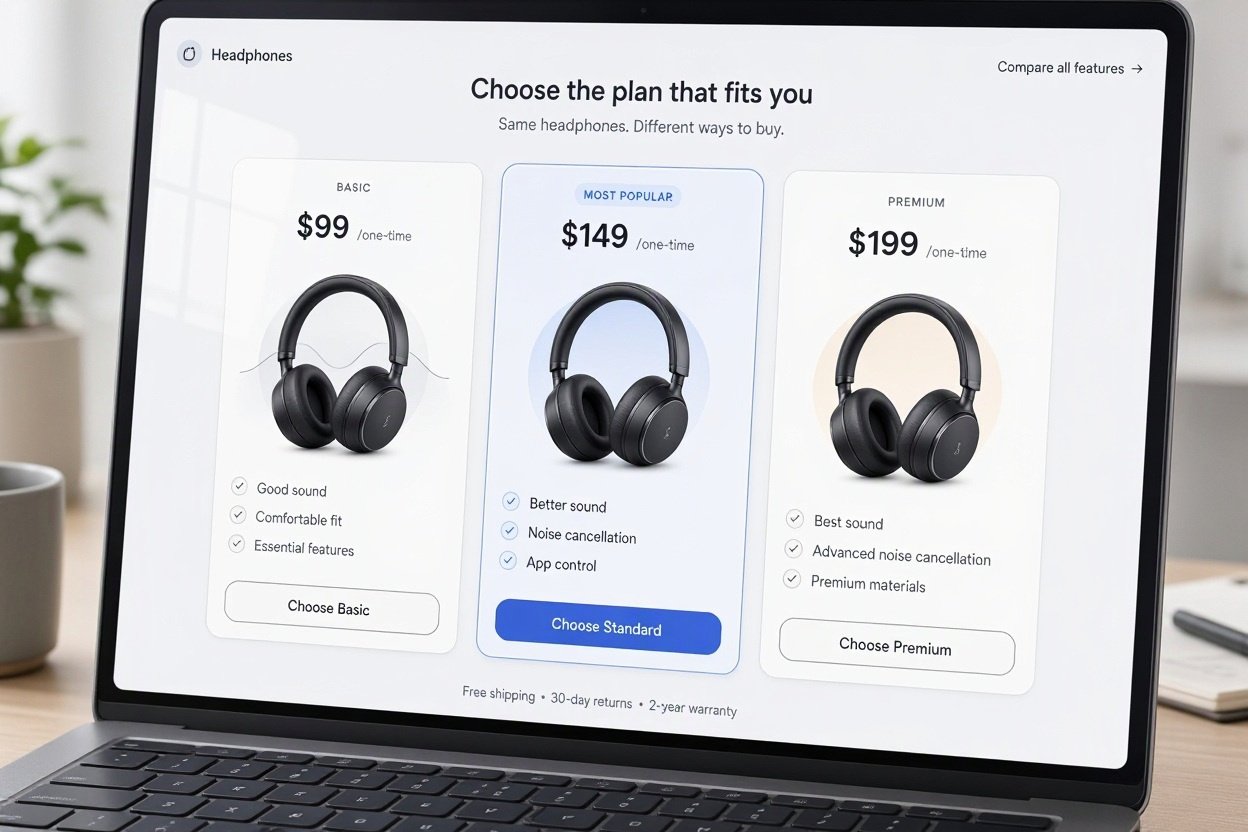
The same or a very similar product is often sold by multiple sellers at different prices — that's the entire reason a comparison site like Fashnal exists in the first place. Don't buy from the first result you see, no matter how good it looks. A five-minute comparison across two or three sellers is the cheapest insurance available against overpaying.
When you compare, make sure you're actually comparing the same thing. Similar-looking listings sometimes differ in size, bundle contents, or condition — a lower price often explains itself the moment you notice what's actually different about the offer.
Read the description, not just the title
Specifications, materials, dimensions, and compatibility details are where the real differences between similar-looking products show up. A title can be written to catch attention — a detailed, specific description is where a seller actually has to be accurate about what you're getting.
Check reviews properly
Read reviews and ratings, but take a few minutes to look at a handful of the actual written comments — not just the star average. A product with a 4.2 average and detailed, specific reviews is often a genuinely safer bet than one with a 4.8 average made up mostly of one-line reviews with no substance behind them.
- Look for reviews written weeks or months after purchase, not just unboxing reactions.
- Pay attention to reviews that describe your exact use case.
- Treat unusually extreme reviews — in either direction — with a little skepticism.
Use price history where it's available
A "was $199, now $149" badge only means something if $199 was a real, sustained price — not a number invented the day before the sale started. Where a price history chart is available, it's the fastest way to tell a genuine discount from a marketing trick.
Check the return policy before you buy
Do this before you buy, not after something goes wrong. It's the cheapest insurance you'll ever take out on a purchase, and it costs nothing to check in advance.
None of this takes more than a few extra minutes. It's the difference between shopping and just clicking.
How Fashnal makes this faster
Fashnal shows the same product from several stores on one page, so the comparison step takes seconds. Search for the item, open it, and the offers are listed from the lowest price. If a store's price drops later, a price check or a price alert tells you.
A worked example: choosing wireless headphones
Say you need headphones for a daily train commute. The need is specific: block noise, last a full day, fit comfortably for an hour. That already rules out cheap earbuds without noise cancelling and studio headphones that need a cable. Set a budget, say $150, and allow 10% either way.
Now shortlist three models that meet the need. Search for each on Fashnal and open the product: you see the stores that sell it and their prices side by side. Read the newest reviews and look for the same complaint repeated, for example "the ear cushions crack after a year". Check the return window, because comfort is personal and you may need to send them back.
The result is a choice you can explain in one sentence: "Model B, because it has the best battery and two stores sell it below my budget with free returns." That sentence is the sign of a good decision.
How long should choosing take?
Match the effort to the price and how long you will use the item. A phone case deserves five minutes. A pair of shoes you will wear every day deserves twenty. A laptop, a sofa or a washing machine deserves an evening, spread over two days so you do not decide in a rush. Spending more time does not always give a better result: once you have three good candidates, more browsing usually only adds doubt.
FAQ: how to choose a product online
What is the most important step when buying online?
Defining the need before you look at products. It keeps you from paying for features you will not use and makes every later step quicker.
How many stores should I compare?
Two or three are usually enough to see whether a price is fair. Fashnal lists the offers of several stores side by side.
Should I trust the star rating?
Use it as a first filter only. Read the newest three-star and one-star reviews: they show the real weak points.
Comments (0)
No comments yet. Be the first to share your thoughts.
Sign in to comment