
Gift-giving etiquette in China at a glance
In China gifts keep relationships warm, from the red envelopes of Spring Festival to the mooncakes of Mid-Autumn. A good gift is of good quality, wrapped in red or gold, given with both hands, and chosen with an eye on the meaning of words: some objects are avoided because their names sound like unlucky phrases. This guide covers gift-giving etiquette in China step by step.
- Biggest gift occasion: Spring Festival (Chinese New Year), with red envelopes (hongbao).
- Good host gift: tea, fruit, good chocolates or cake.
- Avoid: clocks, the number four, and white or black wrapping.
- Open the gift: later, not in front of the giver.
When do people in China give gifts?
Spring Festival and the red envelope
At Chinese New Year, parents, grandparents and other married relatives give children red envelopes with money, and many employers give them to staff. The red colour stands for luck and protection, the notes should be new and crisp, and the amount usually avoids the number four (History.com Editors). Since the 2010s, digital red envelopes sent through messaging apps have become hugely popular, especially between friends and in group chats.
Mid-Autumn Festival
Boxes of mooncakes are the classic Mid-Autumn gift for family, friends, clients and colleagues, often in elaborate tins.
Visiting someone's home
Guests often bring tea, fruit, chocolates or a cake to show good intentions towards the host (The Cultural Atlas, Chinese Culture). Bring a small gift for each child in the family if you can.
What to give: gifts people in China appreciate
Quality and presentation say "I value our relationship". Good tea, fine liquor, quality sweets, and well-made items for the home are safe. Research in Hong Kong showed that what people give, and how much, follows how close the relationship is, from family and close friends to acquaintances (Joy, 2001): a modest, thoughtful gift suits a new contact, a more generous one a close friend. For a tea lover, a beautiful cup is a good companion to the tea itself.
What not to give: gift taboos in China
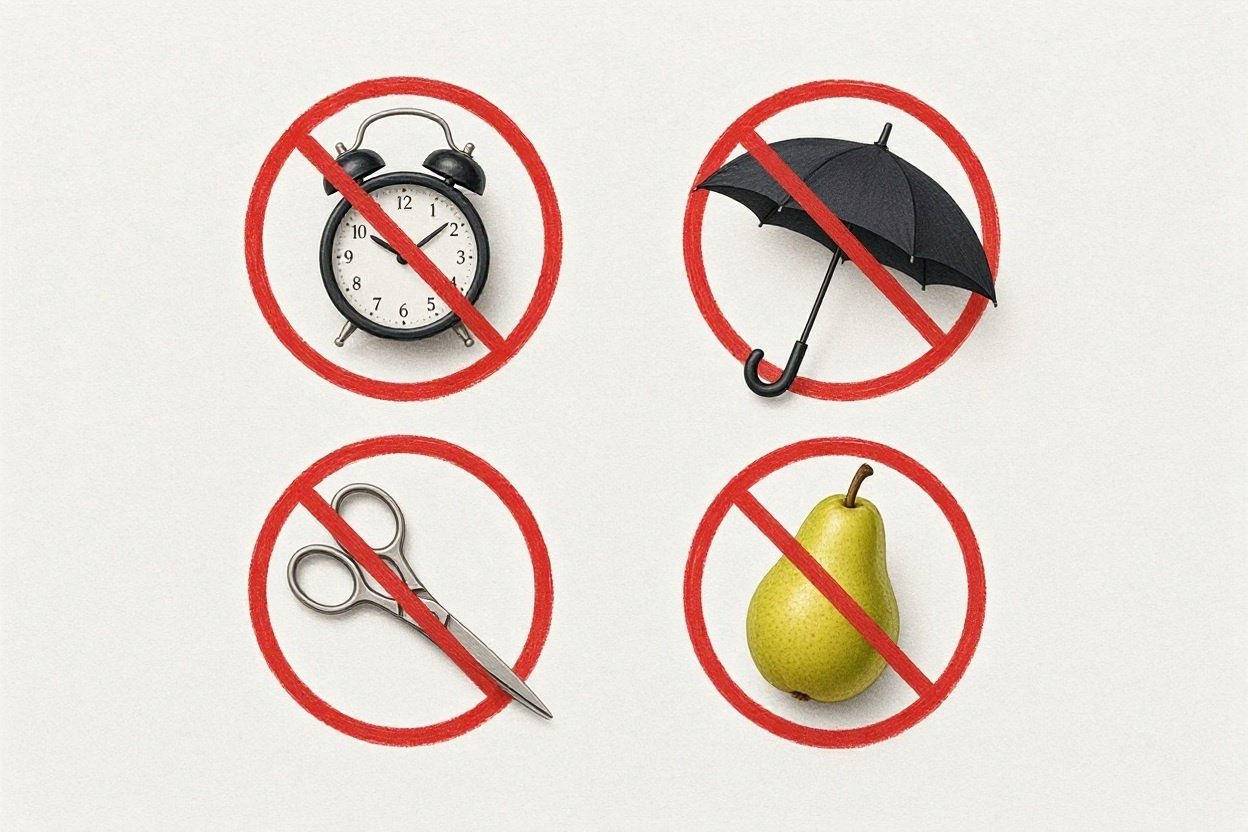
- Clocks: "giving a clock" (song zhong) sounds like "attending someone's death", one of the strongest gift taboos.
- Anything in fours: si (four) sounds like si (death). Eight, by contrast, is the luckiest number.
- Umbrellas and splitting a pear: the words sound like "separation".
- Sharp objects: knives and scissors can suggest cutting ties.
- White or black wrapping: these colours are linked with mourning; choose red and gold (The Cultural Atlas, Chinese Culture).
How to give a gift in China
Hand the gift over with both hands. The recipient may politely decline two or three times before accepting, so offer again gently. Gifts are usually not opened in front of the giver, and elaborate wrapping makes a good first impression (The Cultural Atlas, Chinese Culture). Remember the give-and-return rhythm: gifts are part of a long-term exchange that signals commitment to the relationship (Camerer, 1988).
5 gift ideas inspired by China
| Gift | Why it fits | Where to look |
|---|---|---|
| Chinese tea gift set | Tea is the safest and most appreciated host gift. | See on Amazon |
| Red envelopes (hongbao) | For Chinese New Year money gifts to children. | See on Amazon |
| Porcelain tea cups | A lasting gift for a tea lover. | Compare on Fashnal |
| Mooncake gift box | The classic Mid-Autumn present. | See on Amazon |
| Vase or home décor | A gift for a new home; avoid white flowers. | Compare vases on Fashnal |
Frequently asked questions
Why can't you give a clock in China?
Because "giving a clock" (song zhong) sounds the same as "seeing someone off at death", so it suggests wishing someone dead.
How much money goes in a red envelope?
It depends on the relationship and the region; even amounts are preferred, amounts with eight are lucky, and amounts with four are avoided.
Should I open a gift in front of a Chinese host?
No. Thank them, set it aside and open it later, unless they ask you to open it.
More gift traditions around the world
Read how gifts are given in Japan, Germany and Mexico, or see all our guides to gift-giving around the world.
As an Amazon Associate, Fashnal earns from qualifying purchases. If you buy through a link on this page, we may earn a commission at no extra cost to you.
References
- Etiquette. In Chinese Culture. The Cultural Atlas (SBS). culturalatlas.sbs.com.au
- History.com Editors. Why do people give red envelopes on Lunar New Year? HISTORY. history.com
- Joy, A. (2001). Gift giving in Hong Kong and the continuum of social ties. Journal of Consumer Research, 28(2), 239–256. https://doi.org/10.1086/322900
- Camerer, C. (1988). Gifts as economic signals and social symbols. American Journal of Sociology, 94, S180–S214. https://doi.org/10.1086/228946
- Flynn, F. J., & Adams, G. S. (2009). Money can't buy love: Asymmetric beliefs about gift price and feelings of appreciation. Journal of Experimental Social Psychology, 45(2), 404–409. https://doi.org/10.1016/j.jesp.2008.11.003
Comments (0)
No comments yet. Be the first to share your thoughts.
Sign in to comment