
Gift Giving in America: Traditions, Occasions & The Meaning Behind Every Gift
Gift-giving is an important part of American culture. From exchanging presents on Christmas morning to celebrating birthdays, weddings, graduations, and Valentine's Day, Americans use gifts to express love, appreciation, friendship, and gratitude.
However, gift-giving in the United States is about much more than buying something for another person. It is connected to family traditions, social expectations, workplace relationships, cultural celebrations, and human psychology.
Some Americans prefer practical gifts, while others value personalized presents, memorable experiences, or simply spending quality time together.
So, when do Americans give gifts? What kinds of presents are most popular? Which traditions make American gift exchanges unique? And does gift-giving really strengthen relationships?
Let's explore the traditions, statistics, and psychology behind gift-giving in America.
1. When Do Americans Give Gifts?
Unlike cultures where gift-giving may be concentrated around a small number of celebrations, Americans exchange gifts throughout the year.
Several holidays and personal milestones create opportunities for people to show appreciation and celebrate relationships.
Christmas: America's Biggest Gift-Giving Season
Christmas, celebrated on December 25, is traditionally the most important gift-giving occasion in the United States.
Families, couples, friends, and coworkers exchange presents during the holiday season. Many families gather on Christmas Eve or Christmas morning to open gifts together.
Christmas shopping often begins weeks before December. Black Friday, Cyber Monday, and the Thanksgiving weekend are particularly important shopping periods.
The National Retail Federation (NRF) reported in its 2026 holiday forecast that total U.S. holiday retail spending during November and December was expected to reach approximately $1.013 trillion, representing projected growth of 4.2% compared with 2025.
This figure includes overall holiday retail spending, not just gifts.
A separate NRF consumer survey conducted in October 2026 found that gift cards were the most desired holiday present, followed by clothing and accessories.
For many American families, Christmas presents are not simply about the objects themselves. The exchange is a shared experience that brings relatives and friends together.
Source: National Retail Federation (2026), Affordability Shapes Winter Holiday Shopping, According to NRF Holiday Survey.
Valentine's Day: Celebrating Love and Relationships
February 14 is another major gift-giving occasion.
Although Valentine's Day is traditionally associated with romantic relationships, modern celebrations often include friends, children, family members, and even pets.
Popular presents include:
- Flowers and roses
- Chocolates and sweets
- Jewelry
- Perfume
- Greeting cards
- Romantic dinners
- Personalized gifts
According to the National Retail Federation's January 2026 survey, Valentine's Day spending was expected to reach a record $29.1 billion. Consumers planned to spend an average of $199.78 on the occasion.
The survey also highlighted a growing trend: shoppers were expanding their gift lists to include friends, coworkers, and pets in addition to romantic partners.
This illustrates how gift giving can extend beyond romantic relationships and become a broader expression of appreciation.
Source: National Retail Federation (2026), Valentine's Day Spending Expected to Reach New Records.
Mother's Day and Father's Day
Mother's Day and Father's Day are important opportunities to recognize parents and parental figures.
Mother's Day takes place on the second Sunday of May, while Father's Day is celebrated on the third Sunday of June.
Typical Mother's Day gifts include flowers, greeting cards, jewelry, clothing, beauty products, restaurant experiences, and personalized presents.
Father's Day gifts often include electronics, tools, clothing, watches, sporting equipment, outdoor accessories, and experiences.
The NRF's 2026 Mother's Day survey expected 84% of American adults to celebrate the occasion, with average planned spending of $284.25 per person.
Among those celebrating:
- 75% planned to purchase flowers.
- 74% planned to buy greeting cards.
- 63% planned special outings, such as dinner or brunch.
- 55% planned to purchase gift cards.
- 51% planned to buy clothing or accessories.
Interestingly, 33% planned to give an experience, such as tickets to a concert or sporting event.
These findings suggest that Americans increasingly combine traditional physical presents with shared experiences.
Source: National Retail Federation (2026), Mother's Day Spending Expected to Hit Record $38 Billion.
Birthdays: A Year-Round Tradition
Birthdays are among the most common occasions for exchanging gifts in America.
Children often receive toys, games, books, clothing, and birthday experiences. Adults may receive restaurant gift cards, perfume, electronics, accessories, personalized items, or invitations to special activities.
Birthday parties are also an important social tradition. Guests usually bring a present for the person celebrating, particularly when attending children's birthday parties.
A 2025 survey by financial services company Empower found that 73% of American adults buy birthday gifts for other adults, while 70% buy birthday gifts for children.
The survey also found that 45% buy gifts for coworkers to recognize occasions such as work anniversaries, holidays, and retirement.
Source: Empower (2025), The Going Rate: Gift-Giving Research.
Other Important Gift-Giving Occasions
Americans also exchange presents during many other personal and social milestones:
- Weddings: Guests traditionally give presents to celebrate a couple's marriage and support their new life together.
- Graduations: Family and friends give money, gift cards, books, watches, and electronics to recognize educational achievements.
- Baby showers: Friends and family bring baby clothes, toys, diapers, and nursery accessories for expecting parents.
- Housewarming parties: Guests often bring flowers, candles, kitchen accessories, or home decorations when someone moves into a new home.
- Anniversaries: Couples exchange presents to celebrate relationship milestones.
- Retirement parties: Colleagues and friends give personalized gifts to recognize someone's professional career.
These occasions demonstrate that gift giving is not limited to major holidays. It is a regular part of American social life.
2. What Types of Gifts Do Americans Exchange?
Gift preferences vary depending on age, lifestyle, relationships, and the occasion. However, several categories consistently appear near the top of American gift wish lists.
The National Retail Federation's October 2026 Holiday Consumer Survey asked Americans what kinds of presents they would like to receive.
The results included:
| Gift Category | Share of Consumers |
|---|---|
| Gift cards | 47% |
| Clothing and accessories | 44% |
| Books and other media | 25% |
| Personal care and beauty | 24% |
These figures describe consumer preferences, not verified sales rankings.
Source: NRF (2026), Affordability Shapes Winter Holiday Shopping.
Gift Cards: Freedom of Choice
Gift cards have become one of the most popular presents in America.
A gift card allows the recipient to choose something they genuinely want instead of receiving an item that may not match their preferences.
Popular choices include Amazon, restaurants, coffee shops, department stores, clothing retailers, and entertainment services.
Empower's 2025 research found that 79% of Americans believed cash and gift cards were more acceptable presents than they had been in the past.
This reflects a shift toward convenience and personal choice.
Clothing and Accessories
Clothing remains a major gift category.
Sweaters, jackets, shoes, handbags, backpacks, watches, sunglasses, and accessories are popular choices for birthdays, Christmas, and other celebrations.
Personal style matters, so choosing the right size, color, and design can make a significant difference.
Explore Fashnal's Clothing, Shoes & Accessories collections for more fashion gift inspiration.
Technology and Electronics
Technology has become an important part of modern gift giving.
Wireless headphones, Bluetooth speakers, smartwatches, portable chargers, gaming accessories, and other useful gadgets are common presents, especially among younger adults and technology enthusiasts.
Explore Fashnal's Headphones, Portable Speakers, and Smartwatches categories.
Home and Lifestyle Gifts
Many Americans enjoy receiving practical items that improve their homes or everyday routines.
Popular choices include scented candles, coffee accessories, kitchen appliances, decorative objects, mugs, blankets, and home fragrance products.
These gifts are particularly suitable for housewarming parties, Christmas, Mother's Day, and weddings.
Discover more ideas in Fashnal's Home Fragrance, Mugs & Cups, and Kitchen Appliances categories.
Personalized and Handmade Gifts
Not every meaningful gift needs to come from a major retailer.
Personalized photo albums, handmade decorations, custom mugs, knitted accessories, framed photographs, and handwritten letters can have significant emotional value.
These gifts communicate that the giver has invested time and thought into the relationship.
3. Popular American Gift-Giving Traditions
Gift-giving in America is also shaped by several distinctive traditions that make holiday celebrations more interactive and memorable.
Secret Santa
Secret Santa is especially popular during Christmas celebrations at workplaces, schools, and among groups of friends.
Participants write their names on pieces of paper or use an online name generator. Each person secretly receives the name of someone they must buy a present for.
The identity of the giver is usually kept secret until the exchange.
Groups often agree on a spending limit so that everyone can participate comfortably.
This tradition makes gift exchanges easier when there are many people involved.
White Elephant Gift Exchange
White Elephant, sometimes called Yankee Swap, is a playful gift-exchange game.
Each participant brings a wrapped gift, usually within an agreed budget. Gifts are placed together, and participants take turns choosing a present.
Depending on the rules, someone may open a new gift or take an already-opened gift from another participant.
The fun comes from the possibility of someone losing a gift they really wanted or ending up with something completely unexpected.
White Elephant exchanges are common at Christmas parties and workplace celebrations.
Christmas Stockings
Another familiar American Christmas tradition is hanging stockings near the fireplace or decorating them around the home.
Traditionally, Santa Claus leaves small presents, candy, chocolates, and other surprises inside the stockings.
These smaller presents are often called stocking stuffers.
Popular stocking stuffers include chocolates, socks, miniature toys, beauty products, keychains, and small electronic accessories.
Opening Presents Together
Many American families make opening Christmas presents a shared family activity.
Some families open one present on Christmas Eve, while others wait until Christmas morning.
Children may take turns opening gifts, and parents often photograph or record the experience.
The tradition is not simply about receiving presents. It is also about creating memories and spending time together.
Thank-You Notes
Expressing gratitude is an important part of American gift etiquette.
After receiving a present, it is generally considered polite to thank the giver sincerely.
For weddings, graduations, and other major celebrations, handwritten thank-you notes are still appreciated, although text messages and digital messages are also common.
The Emily Post Institute emphasizes the importance of expressing appreciation and recognizing the generosity behind a gift.
Source: Emily Post Institute, The Etiquette of Gifting.
4. Does Gift Giving Actually Strengthen Relationships?
Gift giving is often described as an expression of love and appreciation, but does it really improve relationships?
Research in psychology and consumer behavior suggests that it can, although the effects depend on the kind of gift, the relationship, and the circumstances.
Gifts Can Make People Feel Supported
A study published in the Journal of Consumer Psychology examined whether receiving a small physical gift could improve someone's emotional state.
Across seven studies, including an in-person gift exchange, researchers found that receiving a small material gift, such as candy or flowers, improved recipients' emotional well-being more than a supportive conversation in the situations studied.
One explanation was that recipients perceived the gift as a more receiver-focused sacrifice: something the giver had specifically done for their benefit.
This does not mean conversations are unimportant. Rather, it suggests that a small physical gift can communicate care in a particularly tangible way.
Reference: Howe, H. S., Wiener, H. J. D., & Chartrand, T. L. (2025). Money can buy me love: Gifts are a more effective form of acute social support than conversations. Journal of Consumer Psychology, 35(3), 397–414.
https://doi.org/10.1002/jcpy.1438
Experiences Can Create Stronger Connections Than Objects
A study published in the Journal of Consumer Research examined the difference between material and experiential gifts.
Researchers Cindy Chan and Cassie Mogilner found that experiential gifts, such as concert tickets, travel experiences, or shared activities, produced greater improvements in relationship strength than material gifts.
The important factor was the emotional experience created when the recipient enjoyed the gift.
In other words, giving someone an experience may create a memory that continues to strengthen the relationship long after the occasion has passed.
Reference: Chan, C., & Mogilner, C. (2017). Experiential gifts foster stronger social relationships than material gifts. Journal of Consumer Research, 43(6), 913–931.
https://doi.org/10.1093/jcr/ucw067
Personal Gifts Can Create a Sense of Closeness
Research on relational gifting suggests that gifts are not simply objects exchanged between people. They can also communicate identity, care, and the nature of a relationship.
A review published in the Journal of Consumer Research discusses how relational gifts help maintain and develop social connections.
This perspective helps explain why handmade presents, personalized objects, and gifts connected to shared memories can be particularly meaningful.
Reference: Weinberger, M. F., Baskin, E., & Gunasti, K. (2025). Relational gifting: Conceptual frameworks and an agenda for a new generation of research. Journal of Consumer Research, 51(6), 1252–1278.
https://doi.org/10.1093/jcr/ucae042
The Problem of Choosing the Wrong Gift
There is also an interesting psychological challenge known as the gift gap.
A 2024 meta-analysis examined 153 unique effects from 114 studies across 29 research papers.
The findings confirmed that gift givers and recipients often evaluate gifts differently.
Givers may focus on how thoughtful, surprising, or sentimental a present is, while recipients may place greater importance on how useful or enjoyable it will be.
This is why an expensive or emotionally meaningful gift does not always become the recipient's favorite.
Reference: Exploring Gift Gaps: A Meta-Analysis of Giver–Recipient Asymmetries (2024). Psychology & Marketing, 41(6), 1318–1332.
https://doi.org/10.1002/mar.21981
The practical lesson is simple: the best gift is not necessarily the most expensive one. It is the one that reflects the recipient's interests and makes them feel understood.
5. Five Gift Ideas Inspired by American Shopping Trends
If you are looking for gift inspiration, these five products represent different popular gift categories in American shopping.
They combine practicality, entertainment, lifestyle, and personal interests.
1. Stanley Quencher H2.0 FlowState Tumbler
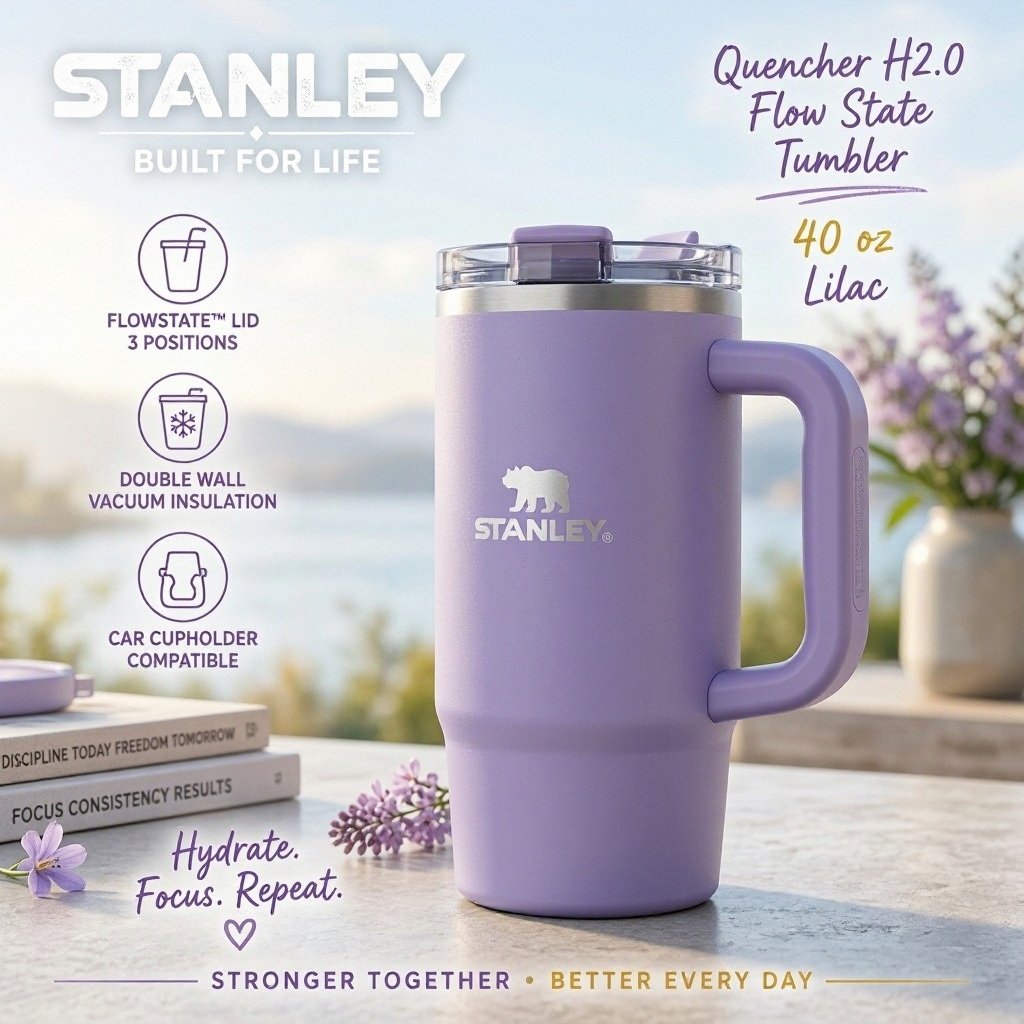
Reusable insulated tumblers have become recognizable lifestyle accessories.
The Stanley Quencher is a practical gift for people who enjoy coffee, cold drinks, commuting, or fitness.
Explore Fashnal's Thermoses & Vacuum Flasks category.
Find Stanley Quencher H2.0 on Amazon
2. LEGO Icons Orchid Building Set

Creative building sets are suitable for adults as well as children.
LEGO botanical sets are particularly attractive to people who enjoy plants, home decoration, and creative activities.
Explore Fashnal's LEGO category.
Find LEGO Icons Orchid on Amazon
3. Zulay Kitchen Milk Frother
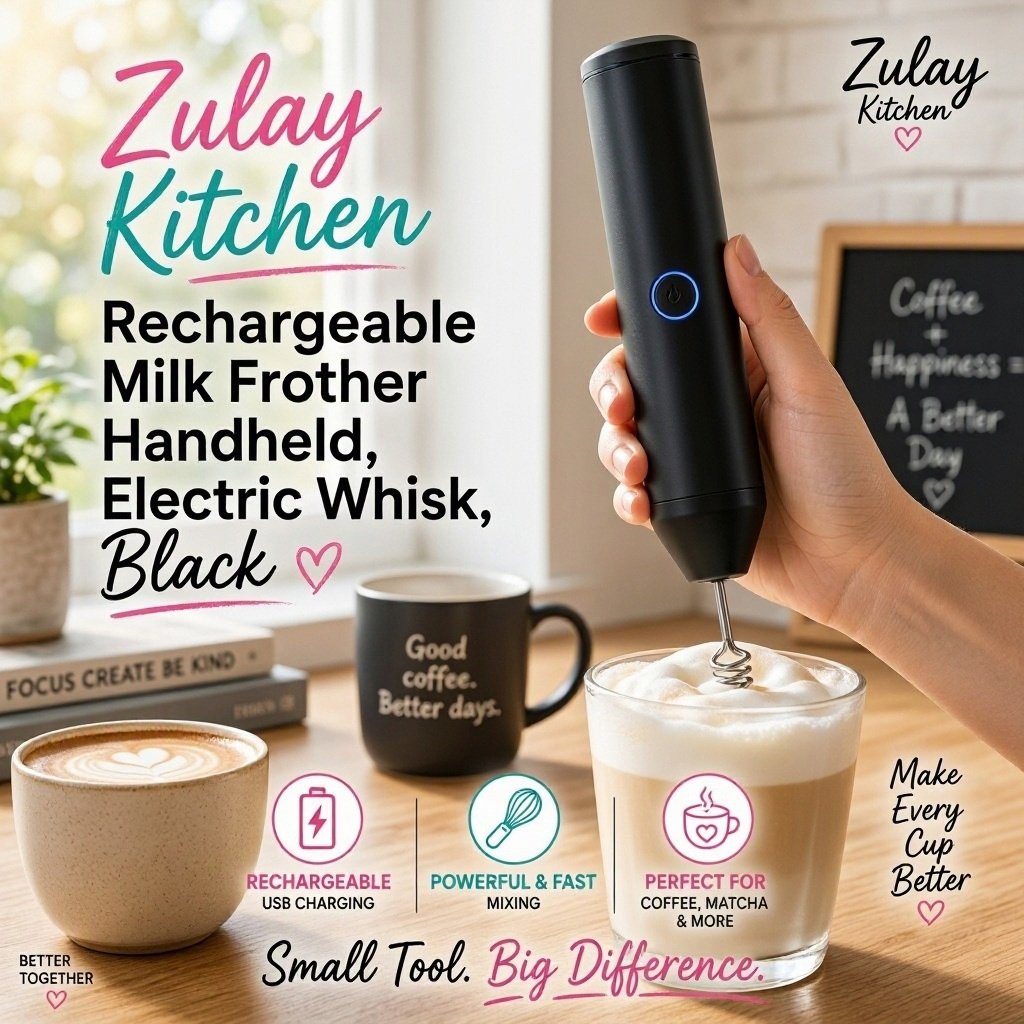
For coffee lovers, a handheld milk frother can make everyday coffee more enjoyable.
It is a useful kitchen accessory and an interesting gift for people who enjoy preparing café-style drinks at home.
Explore Fashnal's Kitchen Appliances category.
Find Zulay Milk Frother on Amazon
4. JBL Tune 520BT Wireless Headphones

Wireless headphones are practical gifts for students, commuters, music fans, and people who enjoy listening to podcasts.
The JBL Tune 520BT is a recognizable option for everyday wireless listening.
Explore Fashnal's Headphones category.
5. Anker Soundcore 2 Portable Bluetooth Speaker
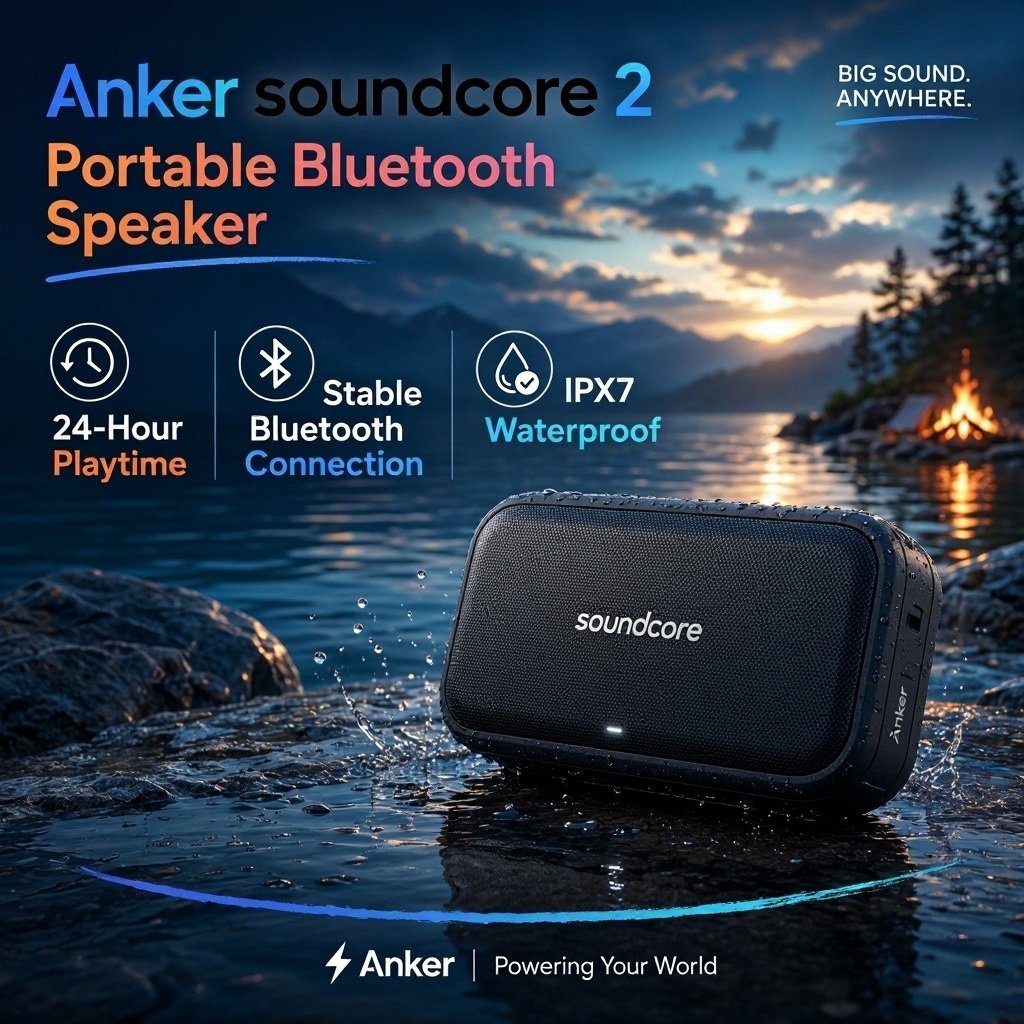
A portable Bluetooth speaker is a versatile present for people who enjoy music, outdoor activities, travel, or social gatherings.
The Soundcore 2 is designed for portable listening and everyday use.
Explore Fashnal's Portable Speakers category.
Find Anker Soundcore 2 on Amazon
These are selected gift recommendations, not a verified live ranking of Amazon's five best-selling products. Product popularity, availability, and customer ratings can change, so shoppers should check the current product listings before purchasing.
6. Is the Meaning of Gift Giving Changing in America?
American gift-giving habits continue to evolve.
Traditional presents remain important, but many consumers are becoming more interested in convenience, personalization, shared experiences, and practical value.
Empower's 2025 national survey of 2,202 American adults found several interesting trends:
- 44% would rather give the gift of time than money or material objects.
- 79% said cash and gift cards were more acceptable than in the past.
- 73% buy birthday gifts for other adults.
- 45% buy gifts for coworkers to recognize workplace occasions.
- 58% set aside a dedicated budget for gift giving.
- 63% primarily consider price when shopping for gifts.
The findings suggest that modern gift giving is becoming more flexible.
Some people prefer an Amazon gift card, while others appreciate a weekend trip, a restaurant experience, or simply spending a meaningful afternoon with someone they love.
The traditional idea that a gift must be expensive is gradually giving way to a broader understanding of what makes a present valuable.
Source: Empower (2025), The Going Rate: Gift-Giving Research. Survey conducted August 19–21, 2025, among 2,202 U.S. adults.
https://www.empower.com/the-currency/money/going-rate-research
Conclusion: The Best Gifts Are About Human Connection
Gift giving remains an important part of American culture because it creates opportunities to express feelings that are sometimes difficult to communicate through words alone.
Christmas, Valentine's Day, Mother's Day, Father's Day, birthdays, weddings, and graduations all provide opportunities to show appreciation and strengthen relationships.
Statistics show that Americans spend substantial amounts on gifts, but psychological research reveals something even more interesting: the emotional value of a gift often comes from the thought, experience, and personal connection behind it.
A small present, a handwritten note, a favorite book, a shared dinner, or a carefully chosen experience can all become meaningful memories.
Ultimately, the best gift is not necessarily the one that costs the most. It is the one that makes another person feel remembered, appreciated, and understood.
References
Chan, C., & Mogilner, C. (2017). Experiential gifts foster stronger social relationships than material gifts. Journal of Consumer Research, 43(6), 913–931. https://doi.org/10.1093/jcr/ucw067
Empower. (2025). The Going Rate: Gift-Giving Research. https://www.empower.com/the-currency/money/going-rate-research
Emily Post Institute. (n.d.). The Etiquette of Gifting. https://emilypost.com/advice/the-etiquette-of-gifting
Howe, H. S., Wiener, H. J. D., & Chartrand, T. L. (2025). Money can buy me love: Gifts are a more effective form of acute social support than conversations. Journal of Consumer Psychology, 35(3), 397–414. https://doi.org/10.1002/jcpy.1438
National Retail Federation. (2026). Affordability Shapes Winter Holiday Shopping, According to NRF Holiday Survey. https://nrf.com/media-center/press-releases/affordability-shapes-winter-holiday-shopping-according-to-nrf-holiday-survey
National Retail Federation. (2026). Valentine's Day Spending Expected to Reach New Records. https://nrf.com/media-center/press-releases/valentine-s-day-spending-expected-to-reach-new-records
National Retail Federation. (2026). Mother's Day Spending Expected to Hit Record $38 Billion. https://nrf.com/media-center/press-releases/mother-s-day-spending-expected-to-hit-record-38-billion
Weinberger, M. F., Baskin, E., & Gunasti, K. (2025). Relational gifting: Conceptual frameworks and an agenda for a new generation of research. Journal of Consumer Research, 51(6), 1252–1278. https://doi.org/10.1093/jcr/ucae042
Exploring gift gaps: A meta-analysis of giver–recipient asymmetries. (2024). Psychology & Marketing, 41(6), 1318–1332. https://doi.org/10.1002/mar.21981
Affiliate Disclosure: Fashnal is an Amazon Associate and may earn from qualifying purchases made through links on this page, at no additional cost to the customer.
Product availability and details may change. Product recommendations are editorial selections and are not claims of current Amazon bestseller rankings.
Comments (0)
No comments yet. Be the first to share your thoughts.
Sign in to comment