
Gift-Giving Traditions in Brazil: Culture, Occasions, and the Meaning Behind Every Gift
In Brazil, giving a gift is often about much more than the object itself. It is a way of showing affection, expressing gratitude, celebrating family connections, and making important moments more memorable. From colorful birthday celebrations to romantic surprises and large Christmas gatherings, gift-giving is closely connected to Brazilian social and family life.
Brazil is a country of extraordinary cultural diversity. Its traditions have been shaped by Indigenous communities, Portuguese heritage, African influences, European immigration, and many other cultural backgrounds. Consequently, gift-giving customs can vary considerably between regions, generations, and families.
Some occasions involve carefully selected personal presents, while others focus on sharing food, exchanging small surprises, or spending time together.
Brazil also has some distinctive celebrations that are less familiar to people in other countries. For example, Valentine's Day is celebrated in June rather than February, and the Christmas tradition of Amigo Secreto brings friends, relatives, and colleagues together through a playful gift exchange.
So, when do Brazilians exchange gifts? What do they usually give? What customs should visitors understand? And what does research tell us about the relationship between gift-giving and emotional connections?
Let's explore the culture, traditions, and statistics behind gift-giving in Brazil.
1. When Do Brazilians Give Gifts?
Gift-giving takes place throughout the year in Brazil, but several occasions are particularly important.
Mother's Day – The Second Sunday of May
Mother's Day, known as Dia das Mães, is one of Brazil's most important gift-giving occasions.
Families celebrate mothers, grandmothers, and other maternal figures with presents, flowers, special meals, and family gatherings.
Common gifts include:
- Perfume and beauty products.
- Clothing, shoes, and handbags.
- Flowers and chocolates.
- Jewelry and fashion accessories.
- Restaurant dinners and shared experiences.
The importance of Mother's Day is reflected in recent consumer research.
According to a 2026 survey conducted by the National Confederation of Shopkeepers (CNDL) and SPC Brasil, in partnership with Offerwise Pesquisas, 78% of surveyed consumers intended to purchase at least one Mother's Day gift.
The survey projected that approximately 127 million consumers would shop for the occasion, generating an estimated R$37.91 billion in retail and service activity.
Among intended purchases, fashion products, including clothing, shoes, and accessories, ranked first at 53%. Beauty products, including perfumes and cosmetics, followed at 50%. Chocolates and flowers each accounted for 24%, while experiences such as restaurants, spa visits, and travel represented 19%.
Interestingly, 43% of respondents said their main motivation for giving a gift was gratitude for the care and effort their mothers had provided.
These figures measure consumer intentions and projected economic activity, not final verified sales (CNDL & SPC Brasil, 2026a).
site.cndl.org.br+1
Valentine's Day – June 12
Brazil has its own Valentine's Day, called Dia dos Namorados.
Unlike the February 14 celebration in the United States and many European countries, Brazilians celebrate romantic relationships on June 12.
The date is commonly traced to a 1948 advertising campaign associated with publicist João Doria, designed to encourage shopping during a traditionally quieter retail period. June 12 was chosen because it falls on the eve of Saint Anthony's Day, when the saint is traditionally associated with marriage and matchmaking.
What began as a commercial campaign gradually became an established romantic celebration (Zvarick, 2024).
noticias.uol.com.br+1
Typical Valentine's Day gifts include:
- Perfume and personal-care products.
- Flowers and chocolates.
- Jewelry and watches.
- Clothing and accessories.
- Romantic dinners.
- Weekend trips and hotel experiences.
The 2026 CNDL/SPC Brasil survey found that 61% of respondents intended to give a gift for Dia dos Namorados.
The projected retail and service activity was R$26.4 billion, with an estimated average planned gift expenditure of R$264 per buyer.
An interesting finding was that 74% of respondents planning to give a gift also expected to receive one in return.
This highlights the importance of reciprocity in romantic gift-giving.
Varejo S.A+1
Father's Day – The Second Sunday of August
Father's Day, or Dia dos Pais, is another important family celebration.
Children and adult family members use the occasion to recognize fathers, grandfathers, and other important paternal figures.
Popular gifts include:
- Clothing and shoes.
- Watches and accessories.
- Perfume and grooming products.
- Electronics and headphones.
- Barbecue accessories.
- Restaurant meals and family outings.
As with Mother's Day, the celebration often includes a family meal. The gift is only one part of the occasion; spending time together is equally important.
Children's Day – October 12
Children's Day, known as Dia das Crianças, is a major gift-giving occasion in Brazil.
The date has an interesting history. October 12 was established as the Festa da Criança in 1924 following an initiative connected to the Brazilian Congress for the Protection of Children. Its modern commercial character developed later, particularly as retailers and toy manufacturers began promoting the celebration (Westin, 2024).
Senado Notícias
Today, parents, grandparents, godparents, uncles, and aunts often give presents to children.
Common gifts include:
- Toys and dolls.
- LEGO building sets.
- Board games and educational toys.
- Bicycles and sports equipment.
- Clothing and shoes.
- Electronic devices.
The 2026 CNDL/SPC Brasil survey found that 74% of consumers in Brazil's 27 capital cities intended to purchase gifts for Children's Day.
The estimated average planned spending was R$308 per buyer, covering approximately 2.3 gifts.
Clothing and shoes accounted for 37% of intended gift choices, followed by dolls at 35%, educational and board games at 26%, and toy vehicles, airplanes, and balls at 21%.
The research also found that 32% of consumers identified seeing a child happy as their main motivation for giving a present (CNDL & SPC Brasil, 2026b).
CNDL+1
Christmas – December 25
Christmas is one of Brazil's most important family celebrations.
Known as Natal, it is traditionally associated with family gatherings, festive meals, religious celebrations, decorations, and exchanging presents.
Many Brazilian families celebrate on Christmas Eve, December 24, with a large dinner called Ceia de Natal. Presents may be exchanged around midnight or on Christmas morning, depending on family traditions.
Common Christmas presents include:
- Clothing and footwear.
- Perfume and cosmetics.
- Toys and games.
- Electronics.
- Bags and accessories.
- Gift cards and personal gifts.
The latest published national Christmas consumer survey I located by November 20, 2026, was the CNDL/SPC Brasil 2025 survey.
It found that 76% of surveyed consumers intended to purchase at least one Christmas present. The average planned purchase was four gifts per consumer, with an estimated average of R$174 per gift.
Children were the most frequently intended recipients, followed by mothers, spouses, fathers, and siblings.
Clothing led the product preferences at 52%, followed by perfume and cosmetics at 36%, shoes at 30%, and toys at 30% (CNDL & SPC Brasil, 2025a).
CNDL
Birthdays, Weddings, and Other Family Celebrations
Brazilians also exchange gifts for birthdays, weddings, anniversaries, graduations, baby showers, and housewarming celebrations.
At weddings, guests may give household products, decorative objects, money, or personalized presents.
For baby showers, friends and family often bring baby clothes, blankets, toys, and practical products for the parents.
Birthdays are generally personal celebrations, where the choice of a present depends on the recipient's age, interests, and relationship with the giver.
2. Amigo Secreto: Brazil's Special Christmas Gift Exchange
One of the most recognizable Brazilian gift-giving traditions is Amigo Secreto, also known as Amigo Oculto.
It is similar to Secret Santa in the United States and several European countries.
The tradition is especially popular during Christmas gatherings, office parties, school celebrations, and family events.
Participants write their names on pieces of paper or use an online system to randomly assign each person another participant.
Each person secretly purchases a gift for their assigned recipient. During the gathering, participants reveal whom they selected, sometimes giving clues about the recipient before revealing their identity.
Many groups agree on a spending limit to make the exchange accessible to everyone.
The CNDL/SPC Brasil Christmas 2025 survey found that 36% of surveyed consumers intended to participate in at least one Amigo Secreto event.
The estimated number of participants was 60.1 million people.
Participants expected to attend an average of 1.6 gift exchanges, mainly with family members (69%), friends (35%), and work colleagues (28%).
The average planned spending per gift was R$72.
This is an interesting example of how gift-giving can create social interaction even among people who are not especially close.
CNDL
3. What Types of Gifts Are Popular in Brazil?
Brazilian gift preferences are diverse, but consumer research highlights several particularly important categories.
Fashion and Accessories
Fashion is one of the most popular gift categories in Brazil.
Clothing, shoes, handbags, sunglasses, watches, and jewelry are common choices for Mother's Day, Christmas, birthdays, and Valentine's Day.
The 2026 Mother's Day survey identified fashion as the leading intended gift category, with 53% of respondents selecting clothing, shoes, or accessories.
Explore Fashnal's Clothing, Shoes & Accessories and Bags & Handbags categories.
Perfumes and Beauty Products
Perfume is a familiar gift choice for romantic partners, parents, and close family members.
Brazil has a strong beauty and personal-care market, and fragrance gift sets are particularly suitable for Mother's Day, Valentine's Day, and Christmas.
Skincare products, cosmetics, body-care sets, and beauty accessories are also popular.
The 2026 Mother's Day survey found that 50% of respondents intended to purchase beauty products, including perfumes and cosmetics.
Explore Fashnal's Perfumes and Face Creams categories.
Chocolates and Flowers
Chocolates and flowers are common gifts for romantic celebrations, birthdays, and family occasions.
A bouquet can be a simple expression of affection, while chocolate boxes are frequently exchanged between friends, colleagues, and romantic partners.
Flowers are also appropriate as small gestures of appreciation when visiting someone's home.
Toys and Educational Gifts
Children's Day and Christmas generate demand for toys, games, creative building sets, and educational products.
Parents often choose gifts based on children's interests, while grandparents and other relatives may contribute to a larger family present.
Explore Fashnal's LEGO category for creative gift ideas.
Experiences Instead of Physical Presents
An increasingly interesting gift category is experiences.
Restaurant dinners, travel, concerts, spa visits, and recreational activities allow people to create memories together.
The 2025 Christmas survey reported that 43% of respondents had already replaced or intended to replace material gifts with experiences such as travel, dinners, outings, and shows.
This suggests that gift-giving does not always require a physical product (CNDL & SPC Brasil, 2025a).
CNDL
4. Brazilian Gift-Giving Etiquette: What Should You Know?
Brazilian gift-giving is generally friendly and social, but a few customs are useful to understand.
Bringing a Gift When Visiting Someone
When invited to someone's home, bringing a small present is a thoughtful way to thank the host.
Common choices include:
- Flowers.
- Chocolates.
- A small decorative item.
- A food gift.
- A present for the host's children.
A gift does not need to be expensive. The gesture itself is important.
Colorful Gift Wrapping
Gift presentation can be an important part of the experience.
Bright and cheerful wrapping is generally appreciated. Some cultural etiquette guides specifically mention yellow and green, Brazil's national colors, as attractive choices.
A beautifully presented gift can make even a relatively simple item feel special.
Gifts That May Be Misunderstood
Some traditional etiquette guides recommend avoiding sharp objects such as knives and scissors because they can symbolically suggest cutting or ending a relationship.
Purple flowers may also be associated with mourning in some contexts.
These are cultural conventions rather than universal rules. Preferences vary between individuals and families, so it is sensible to consider the recipient and occasion.
Perfume is an excellent present for a close friend or romantic partner, but it may be too personal for someone you do not know well.
These recommendations are described in the Cultural Atlas' Brazilian etiquette guide (Scroope, 2025).
Etiquette — Cultural Atlas
5. Does Gift-Giving Strengthen Relationships in Brazil?
Gift-giving can be an important form of emotional communication.
A present can express appreciation, affection, gratitude, and recognition. However, academic research also suggests that the meaning of a gift depends on the relationship between the people involved.
Gifts as Expressions of Love
A Brazilian academic study published in the Revista de Administração Contemporânea in 2020 examined gift-giving among romantic partners.
The researchers surveyed 257 participants and investigated the relationship between different styles of love, gift-giving frequency, and the perceived sacrifice involved in purchasing gifts.
They found that the romantic style characterized by passion and attraction, known as Eros, was associated with more frequent gift-giving for social reasons.
The altruistic style, known as Agape, was associated with a greater perception of personal sacrifice by the giver.
This research suggests that gift-giving can communicate different emotional motivations within romantic relationships (Silva et al., 2020).
Importantly, this was a study of 257 participants, not a representative survey of all Brazilian couples.
SciELO
Gifts and Business Relationships
Gift-giving is not limited to family and romantic relationships.
A Brazilian academic study by Teixeira and Freitas (2011), published in Organizações & Sociedade, examined gift exchanges between service providers and customers.
The researchers found that customers frequently described gifts as a way of recognizing good service and reported that these exchanges could strengthen their relationships with professionals.
However, service providers were more reluctant to acknowledge that receiving gifts had changed their professional behaviour.
This finding illustrates an important difference between the giver's perception and the recipient's interpretation of a gift.
SciELO Brasil
Why Shared Experiences Can Be Powerful Gifts
Research outside Brazil also offers interesting insights.
A study by Cindy Chan and Cassie Mogilner, published in the Journal of Consumer Research in 2017, examined material gifts and experiential gifts.
The researchers found that experiential gifts, such as tickets to events or activities, produced greater improvements in relationship strength than material presents in the real-life gift exchanges they studied.
The emotional experience of using the gift was an important part of this effect.
Although this research was not specifically conducted in Brazil, it provides useful context for understanding why shared meals, travel, concerts, and other experiences can be meaningful presents (Chan & Mogilner, 2017).
OUP Academic+1
What Brazilian Consumer Surveys Reveal About Emotional Motivation
Consumer surveys provide another perspective.
The 2026 Mother's Day survey found that 43% of gift buyers were motivated by gratitude for their mothers' care and effort.
For Dia dos Namorados, 46% of respondents identified the celebration as an important gesture, while 42% said they enjoyed rewarding people they loved.
The fact that 74% of intended Valentine's Day gift-givers expected to receive a present in return also demonstrates the importance of reciprocity.
These findings describe reported intentions and motivations, rather than proving that gifts cause stronger relationships.
Nevertheless, they suggest that emotional recognition and the expectation of mutual appreciation remain important parts of Brazilian gift-giving culture (CNDL & SPC Brasil, 2026a, 2026c).
CNDL+1
When Gift-Giving Becomes Financial Pressure
Gift-giving can also create financial expectations.
The 2026 Children's Day survey found that 22% of intended gift buyers admitted they might spend more than they could comfortably afford.
Some respondents also described the gift's value as a way of demonstrating love.
This is an important reminder that a meaningful gift should not become a financial burden.
In the end, affection and appreciation are not measured by the amount of money spent.
6. Five Gift Ideas Inspired by Brazilian Gift-Giving Culture
If you are looking for inspiration, these five product ideas represent different interests and occasions associated with gift-giving in Brazil.
The following are Amazon US search links, not verified bestseller rankings. They are provided so you can select the exact listings and create your own Amazon Associates links.
1. O Boticário Perfume Gift Set
Brazilian fragrance brand O Boticário offers an interesting gift idea for birthdays, Mother's Day, and romantic celebrations.
Perfume gift sets can include fragrance and complementary personal-care products.
Explore Fashnal's Perfumes category.
Find O Boticário Perfume Gift Sets on Amazon US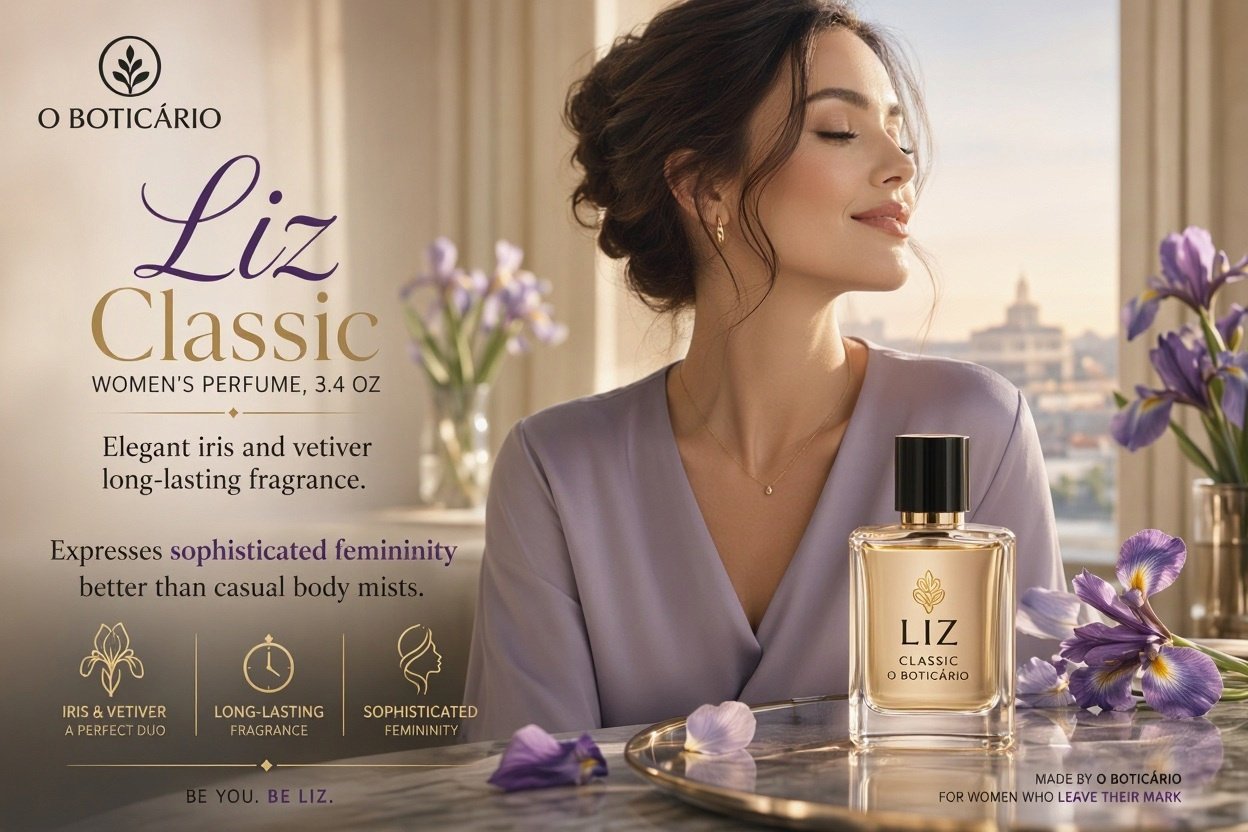
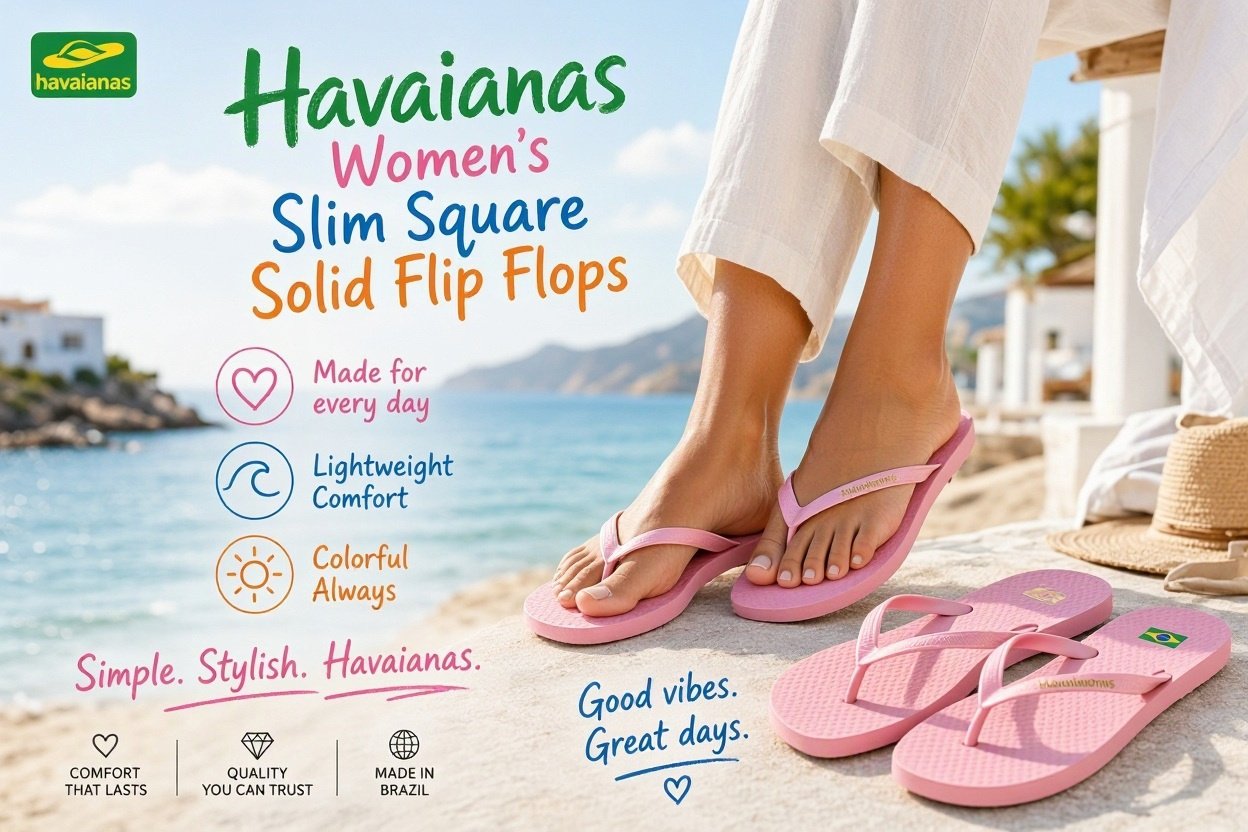
2. Havaianas Flip-Flops
Havaianas is a well-known Brazilian footwear brand. Its colorful and casual footwear makes a fun gift for someone who enjoys relaxed summer fashion.
Explore Fashnal's Casual Shoes & Sneakers category.
3. Brazilian Specialty Coffee Gift Box
Coffee is an important part of everyday hospitality in Brazil. A coffee gift box or specialty coffee selection can be a thoughtful present for someone who enjoys trying different flavors.
Explore Fashnal's Coffee Machines category for complementary coffee equipment.
Find Brazilian Coffee Gift Boxes on Amazon US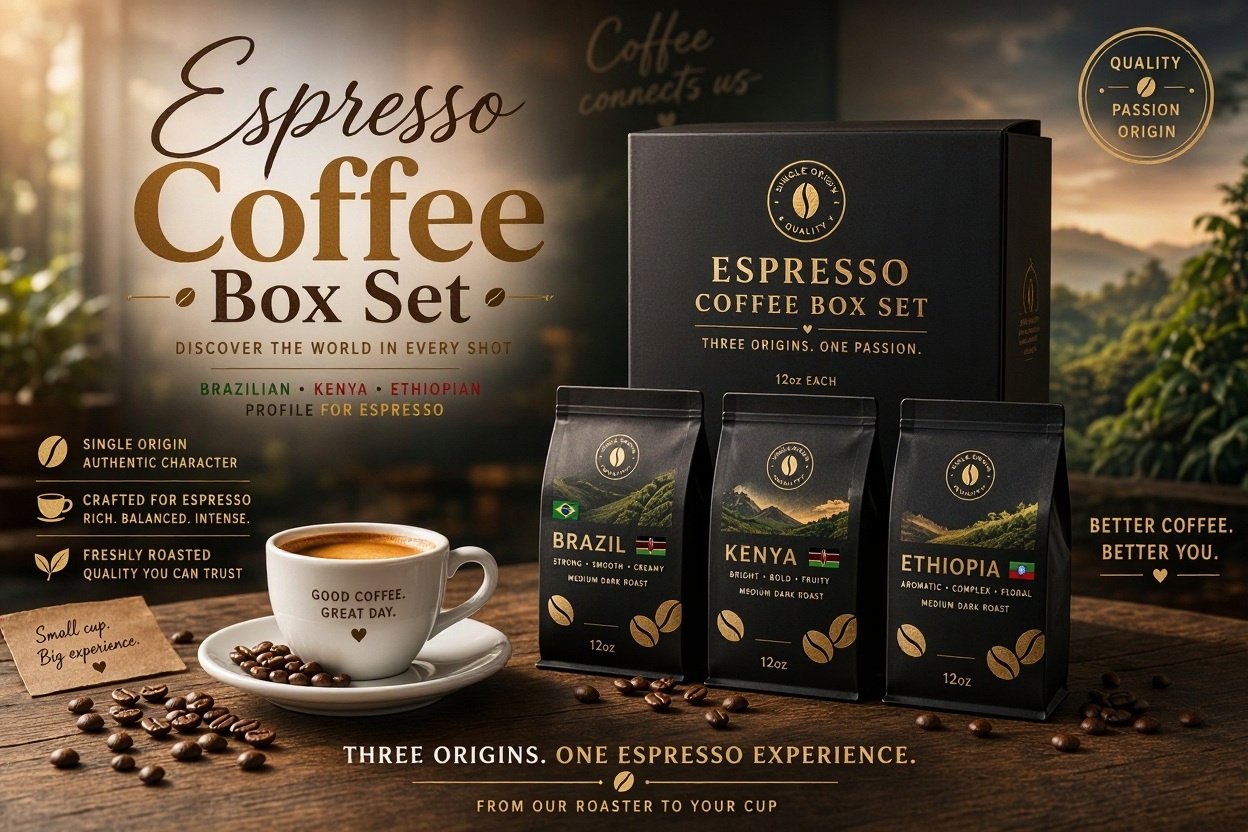
4. LEGO Creative Building Set
Building sets and educational games are suitable gifts for Children's Day, Christmas, and birthdays.
They offer opportunities for creativity and family activities.
Explore Fashnal's LEGO category.
Find LEGO Creative Gift Sets on Amazon US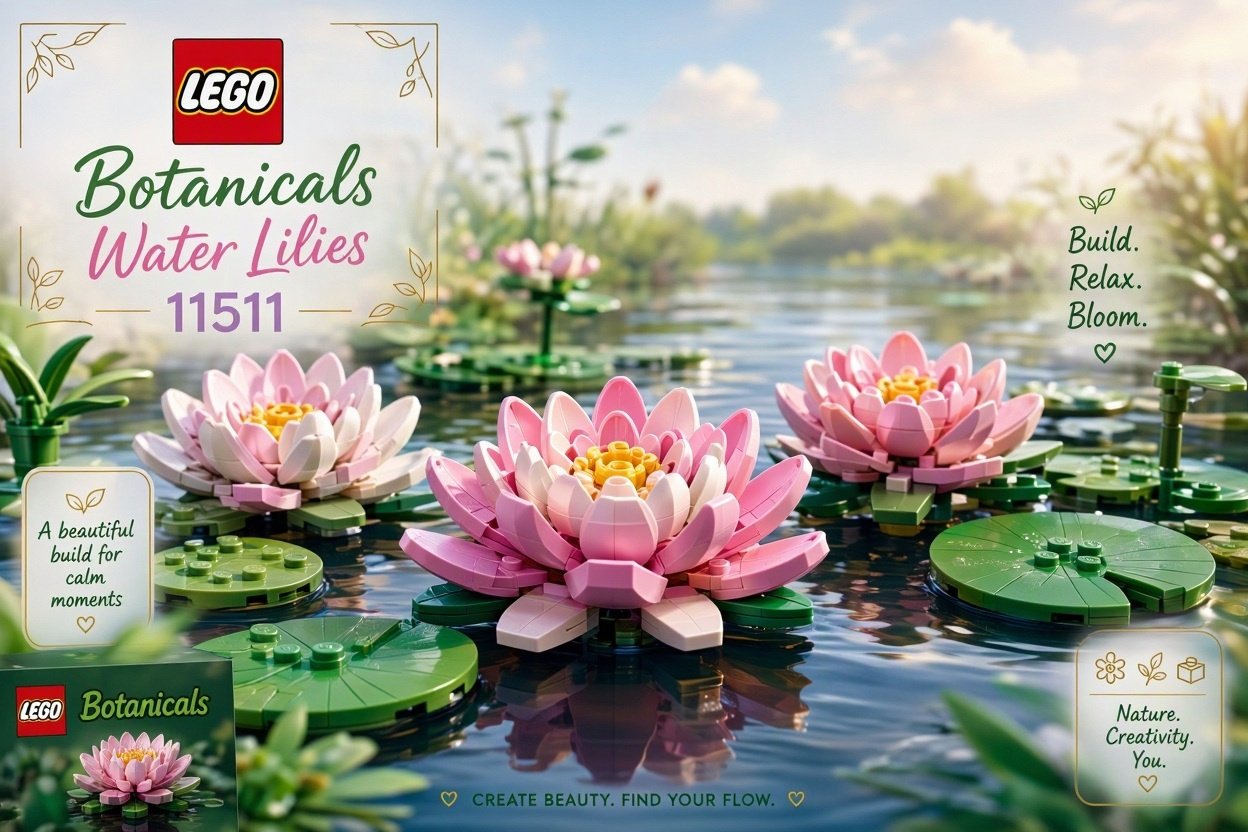
5. Home Fragrance and Reed Diffuser Gift Set
A decorative home fragrance set can be a thoughtful housewarming or hostess gift.
Diffusers and scented candles are particularly suitable for people who enjoy decorating their homes and creating a relaxing atmosphere.
Explore Fashnal's Home Fragrance category.
Find Home Fragrance Gift Sets on Amazon US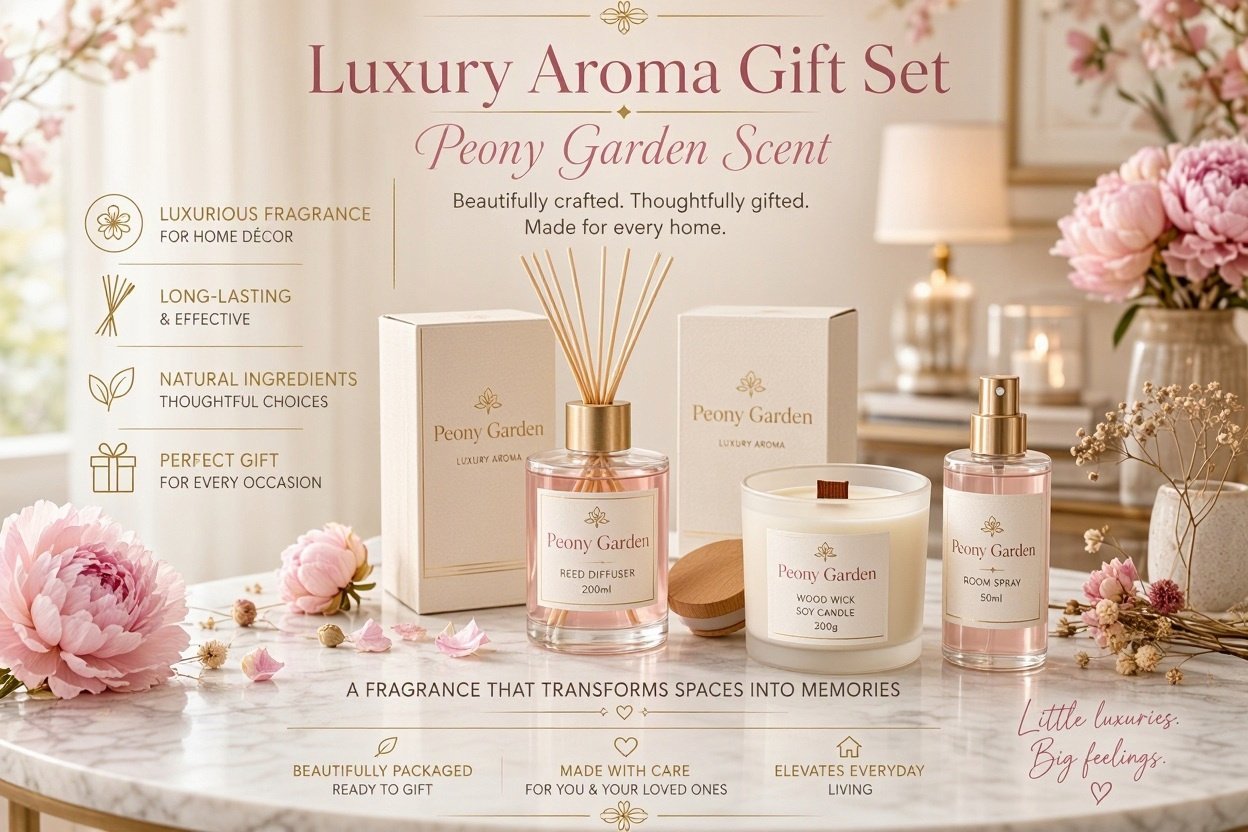
Conclusion: In Brazil, Giving Is About Connection
Brazilian gift-giving culture reflects the country's strong emphasis on family, friendship, hospitality, and social relationships.
From Mother's Day and Father's Day to romantic celebrations, Children's Day, Christmas, and Amigo Secreto, there are many opportunities throughout the year to exchange presents.
Consumer research shows that fashion, beauty products, toys, and experiences are among the important gift categories. Academic research also suggests that gifts can communicate love, appreciation, sacrifice, and a desire to maintain relationships.
Perhaps the most interesting lesson from Brazil is that a gift does not always need to be expensive or elaborate.
A small box of chocolates, a bouquet of flowers, a thoughtful personal present, or an invitation to share a meal can communicate genuine affection.
Sometimes, the most meaningful gift is not something that can be wrapped. It is the time, attention, and happiness shared with another person.
Affiliate Disclosure: As an Amazon Associate, Fashnal earns from qualifying purchases. If you purchase through qualifying links on this page, Fashnal may earn a commission at no additional cost to you.
References
1. Confederação Nacional de Dirigentes Lojistas (CNDL) & SPC Brasil. (April 28, 2026). Mother's Day to Generate R$37.91 Billion in Retail Activity; 78% of Consumers Plan to Give Gifts.
Original consumer survey
2. Confederação Nacional de Dirigentes Lojistas (CNDL) & SPC Brasil. (June 2, 2026). Valentine's Day to Generate R$26 Billion in Commerce and Services.
Original consumer survey
3. Confederação Nacional de Dirigentes Lojistas (CNDL) & SPC Brasil. (October 6, 2026). Children's Day to Generate R$18.11 Billion in Retail Activity.
Original consumer survey
4. Confederação Nacional de Dirigentes Lojistas (CNDL) & SPC Brasil. (November 27, 2025). Christmas Sales Expected to Generate R$84.9 Billion in the Economy.
Original consumer survey
5. Confederação Nacional de Dirigentes Lojistas (CNDL) & SPC Brasil. (December 3, 2025). 60.1 Million Consumers Expected to Participate in Secret Santa This Christmas.
Original consumer survey
6. Westin, R. (October 4, 2024). Dia da Criança Surgiu Há 100 Anos, Quando Meninos Pobres Trabalhavam e Iam para a Cadeia. Senado Notícias.
Historical report from the Brazilian Senate
7. Scroope, C. (2025). Brazilian Culture: Etiquette. The Cultural Atlas, Mosaica.
Cultural etiquette guide
8. Silva, M., de Farias, S., Gomes, J. de P., & Melo, F. V. S. (2020). Gift-Giving, Love Styles, and Sacrifice: An Analysis Among Romantic Partners. Revista de Administração Contemporânea, 24(1).
Peer-reviewed academic research
9. Teixeira, A. de A., & de Freitas, A. A. F. (2011). Gift-Giving in Business Relationships. Organizações & Sociedade, 18(59), 719–737.
Peer-reviewed academic research
10. Lapedra, A. T. de F., Silva, M. C. da, & Pepece, O. M. C. (May 4, 2022). Gift-Giving Behavior Studies in Brazil: A Bibliographic Analysis. Desenvolvimento em Questão, 20(58), e12298.
Academic literature review
11. Chan, C., & Mogilner, C. (2017). Experiential Gifts Foster Stronger Social Relationships than Material Gifts. Journal of Consumer Research, 43(6), 913–931.
Peer-reviewed academic research
12. Zvarick, L. (June 11, 2024). Dia dos Namorados: Como a Data Foi Criada e o que Tem a Ver com João Doria? Agência Estado / UOL.
Historical background
Comments (0)
No comments yet. Be the first to share your thoughts.
Sign in to comment