
Gift-Giving Traditions in Canada: Culture, Occasions, and the Meaning Behind Every Gift
Gift-giving is an important part of Canadian social life. From Christmas celebrations and birthday parties to weddings, baby showers, Valentine's Day, and small gestures of appreciation, Canadians exchange gifts throughout the year. However, giving a gift is not simply about buying something and wrapping it. It is also a way to express gratitude, celebrate relationships, recognize important milestones, and make other people feel valued.
Canada has a diverse population with cultural traditions from around the world. As a result, gift-giving customs can vary between families, communities, and generations. Some people prefer traditional presents, while others choose experiences, handmade items, gift cards, or thoughtful gestures.
So, when do Canadians give gifts? What do they usually exchange? And does gift-giving actually make relationships stronger?
Let's explore the traditions, statistics, and social meaning behind gift-giving in Canada.
1. When Do Canadians Give Gifts?
There is no single gift-giving season in Canada. Although Christmas is one of the most important periods for exchanging presents, several other occasions bring families, friends, and communities together.
Christmas and the Winter Holiday Season
Christmas, celebrated on December 25, is one of Canada's most recognizable gift-giving occasions. Families and friends often exchange presents, decorate Christmas trees, prepare special meals, and spend time together.
In many households, children receive presents associated with Santa Claus, while adults exchange gifts with family members, partners, and friends. Some families open presents on Christmas Eve, while others wait until Christmas morning.
Christmas gift-giving is also influenced by Canada's multicultural population. Not everyone celebrates Christmas in the same way, and some people participate in winter celebrations without observing its religious meaning.
According to the Retail Council of Canada's 2026 Holiday Shopping Survey, Canadians plan to spend an average of $911 on holiday shopping. Importantly, 86% of planned holiday spending is allocated to gifts for other people, while immediate family members receive the largest share of the budget.
These findings show how strongly the holiday season remains connected to family relationships and generosity.
Birthdays
Birthdays are another major occasion for exchanging gifts in Canada.
Friends, family members, partners, and colleagues may organize birthday parties or small gatherings. Typical presents include clothing, books, beauty products, electronics, toys, flowers, gift cards, and personalized items.
For children's birthdays, toys, games, creative activities, and books are common choices. For adults, gifts are often selected according to personal interests, hobbies, and lifestyle.
Birthday celebrations are generally personal rather than religious or national traditions, which makes them flexible. Some people prefer a large celebration, while others appreciate a small present or dinner with close friends.
Valentine's Day – February 14
Valentine's Day is widely associated with romantic relationships, affection, and appreciation.
Couples often exchange flowers, chocolates, jewelry, perfume, cards, and romantic experiences. However, the celebration is not limited to romantic partners. Friends, family members, and children may also exchange small gifts or cards.
A 2024 national consumer survey by Caddle and the Retail Council of Canada found that food, alcohol, candy, and restaurant spending were the leading Valentine's Day gift-related category, selected by 57.5% of respondents. Flowers followed at 30.6%, while gift cards accounted for 16.8%.
These figures illustrate the importance of food, flowers, and shared experiences in Canadian Valentine's Day celebrations.
Mother's Day and Father's Day
Mother's Day and Father's Day are important opportunities to recognize parents and express appreciation.
Mother's Day is celebrated on the second Sunday in May, while Father's Day takes place on the third Sunday in June.
Common Mother's Day gifts include flowers, chocolates, skincare products, perfume, jewelry, books, and restaurant experiences. Father's Day presents often include clothing, tools, electronics, accessories, outdoor equipment, and personalized gifts.
A 2024 Caddle and Retail Council of Canada survey involving 9,467 Canadians found that 60% planned to observe Mother's Day, while 66.5% intended to purchase gifts.
The figures also show that gift-giving remains an important part of the occasion, although participation can change from year to year.
Weddings, Anniversaries, and Baby Showers
Milestone celebrations are also important gift-giving occasions.
At weddings, guests commonly bring household products, kitchen equipment, decorative items, gift cards, or money. Some couples provide a wedding registry, allowing guests to select something the couple has specifically requested.
Anniversaries are more personal. Couples may exchange jewelry, flowers, photographs, travel experiences, or sentimental gifts that represent their shared memories.
Baby showers are another familiar tradition. Friends and relatives gather before a baby's arrival and bring practical presents such as baby clothes, blankets, toys, diapers, and nursery accessories.
These occasions are not just about the presents themselves. They help families and friends show support during important moments in life.
2. What Types of Gifts Are Popular in Canada?
Canadian gift preferences are diverse, but several categories appear consistently in consumer surveys and shopping trends.
Clothing and Accessories
Clothing, shoes, bags, watches, and fashion accessories are popular choices for birthdays, Christmas, and other celebrations.
According to the Retail Council of Canada's 2026 holiday survey, clothing accounts for 19% of planned holiday gift budgets, making it the largest reported spending category.
Explore Fashnal's Clothing, Shoes & Accessories category.
Gift Cards
Gift cards are popular because they allow recipients to choose what they actually want.
They can be used for restaurants, clothing stores, online shopping, entertainment, and many other services.
The 2026 Retail Council of Canada survey reports that gift cards account for 16% of planned holiday budgets.
Gift cards are particularly useful when the giver is uncertain about someone's size, preferences, or specific needs.
Technology and Electronics
Wireless headphones, portable speakers, smart devices, gaming accessories, and other electronic products are common gifts, especially for teenagers and adults.
Technology gifts are often practical because they can become part of someone's daily routine.
Explore Fashnal's Headphones and Portable Speakers categories.
Home and Kitchen Gifts
Candles, home fragrances, mugs, kitchen accessories, coffee machines, and decorative products are also popular.
These gifts are especially suitable for housewarming celebrations, weddings, Christmas, and occasions when someone moves into a new home.
Explore Fashnal's Home Fragrance, Mugs & Cups, and Kitchen Appliances categories.
Experiences Instead of Physical Presents
Not every gift needs to be a physical object.
Restaurant dinners, concert tickets, spa visits, weekend trips, sporting events, and shared activities are examples of experience-based gifts.
Research published by JLL in its 2025 Canadian Holiday Retail Survey found that experiences represented 39% of holiday budgets, reflecting growing interest in dining, entertainment, and seasonal activities.
Experiences can be particularly meaningful because they create memories that people can share.
3. Traditional Gift-Giving Customs in Canada
Although there is no single set of rules followed by every Canadian family, several customs are common in social situations.
Bringing a Small Gift When Visiting Someone
When invited to someone's home for dinner or a social gathering, it is often considered thoughtful to bring a small gift for the host.
Common choices include flowers, chocolates, wine, or a small home decoration.
In Quebec, sending flowers to the host before a dinner party is also a recognized custom.
The purpose is not to bring something expensive. It is simply a way to thank the host for their hospitality.
Christmas Stockings and Secret Santa
Christmas stockings are a familiar part of many Canadian Christmas celebrations.
Small presents, chocolates, candies, and other surprises are placed inside stockings, often for children.
Another popular tradition is Secret Santa. This is especially common among friends, families, schools, and workplaces.
Participants randomly select another person's name and purchase a gift without revealing their identity until the exchange takes place.
Some groups establish a spending limit to make the activity fair and accessible to everyone.
Gift Registries
Wedding and baby registries are practical traditions in Canada.
Instead of guessing what someone needs, guests can choose from a list prepared by the couple or parents-to-be.
This helps avoid duplicate presents and makes gift selection easier.
Cards and Thank-You Messages
Greeting cards are an important part of many gift exchanges.
Birthday cards, Christmas cards, wedding cards, and thank-you notes allow people to express feelings that may not be communicated through the gift itself.
In many families, writing a personal message is considered just as meaningful as choosing the present.
Multicultural Gift-Giving Traditions
Canada's cultural diversity also means that people may follow traditions associated with their family backgrounds.
For example, during Lunar New Year, many Chinese Canadian families exchange red envelopes containing money, particularly with children.
Other communities celebrate religious festivals and family occasions with their own traditional foods, clothing, symbolic gifts, and gatherings.
These traditions contribute to Canada's rich cultural identity.
4. Does Gift-Giving Actually Strengthen Relationships?
Gift-giving is often described as a way to strengthen relationships, but what does research say?
Scientific studies suggest that gifts can have measurable emotional and social effects.
Experiential Gifts Can Strengthen Social Connections
A study published in the Journal of Consumer Research by Cindy Chan and Cassie Mogilner examined the relationship between material and experiential gifts.
The researchers found that experiential gifts, such as tickets to an event or a shared activity, produced greater improvements in relationship strength than material gifts.
Interestingly, the positive effect was connected to the emotions experienced when people used or enjoyed the gift, rather than simply receiving it.
This suggests that giving someone an experience can create a deeper emotional connection than purchasing an ordinary object.
Small Gifts Can Improve Emotional Well-Being
A 2024 research article published in the Journal of Consumer Psychology, titled "Money Can Buy Me Love," examined whether small gifts could provide emotional support.
Across seven studies, researchers found that receiving a small material gift, such as flowers or a candy bar, improved people's emotional state more effectively than a supportive conversation in the situations studied.
One explanation was that recipients perceived the gift as a more receiver-focused sacrifice.
In other words, a small gift can communicate that someone has taken time and made an effort specifically for them.
Thoughtful Gifts Can Communicate Understanding
Research published in the Journal of Experimental Social Psychology has also examined how gifts that reflect the giver's personality can influence closeness.
The findings suggest that gifts reflecting something about the giver can increase feelings of closeness between the giver and recipient.
This is an interesting reminder that a meaningful gift does not always need to be expensive or perfectly predictable.
It can also communicate something personal about the relationship.
The Importance of Choosing the Right Gift
Not every gift produces a positive experience.
A large meta-analysis published in 2024 examined 153 effects from 114 studies across 29 research papers on differences between gift-giver and recipient preferences.
The research identified a persistent gap between how givers and recipients evaluate gifts.
This means that people sometimes choose presents they believe are meaningful, while recipients may not value them in the same way.
The practical lesson is simple: paying attention to someone's interests and needs can be more important than choosing something expensive or impressive.
5. How Much Do Canadians Value Meaningful Gifts?
One particularly interesting finding from the 2026 Retail Council of Canada survey is that 53% of Canadians consider giving something memorable or meaningful more important than choosing the lowest-priced option.
Only 23% identified the lowest price as the most important consideration when selecting a gift.
The same survey found that 84% of Canadians are more likely to buy a gift clearly marked Made in Canada, although affordability remains an important condition.
These findings suggest that Canadian consumers consider more than the product itself. The story behind a gift, its usefulness, its origin, and its emotional meaning can all influence purchasing decisions.
There is also growing interest in second-hand, upcycled, and refurbished gifts. The 2026 survey found that 45% of Canadians would consider giving a second-hand or refurbished product.
This reflects an increasing willingness to consider affordability, uniqueness, and environmental impact when choosing presents.
6. Five Gift Ideas Inspired by Canadian Gift-Giving Habits
If you are looking for gift inspiration, the following products represent different interests and occasions. They are examples of popular Amazon listings and can suit birthdays, Christmas, family celebrations, and other special moments.
1. JBL Vibe Beam Wireless Earbuds

A practical gift for music lovers, students, commuters, and people who enjoy listening to podcasts.
Explore Fashnal's Headphones category.
2. LEGO Disney Pixar Up House

A creative building set for LEGO enthusiasts, animation fans, and people who enjoy collecting decorative models.
Explore Fashnal's LEGO category.

3. Fujifilm Instax Mini Instant Film
A thoughtful gift for photography lovers, travelers, couples, and anyone who enjoys preserving memories as printed photographs.
Explore Fashnal's Instant Film category.
Check Fujifilm Instax Mini Film on Amazon
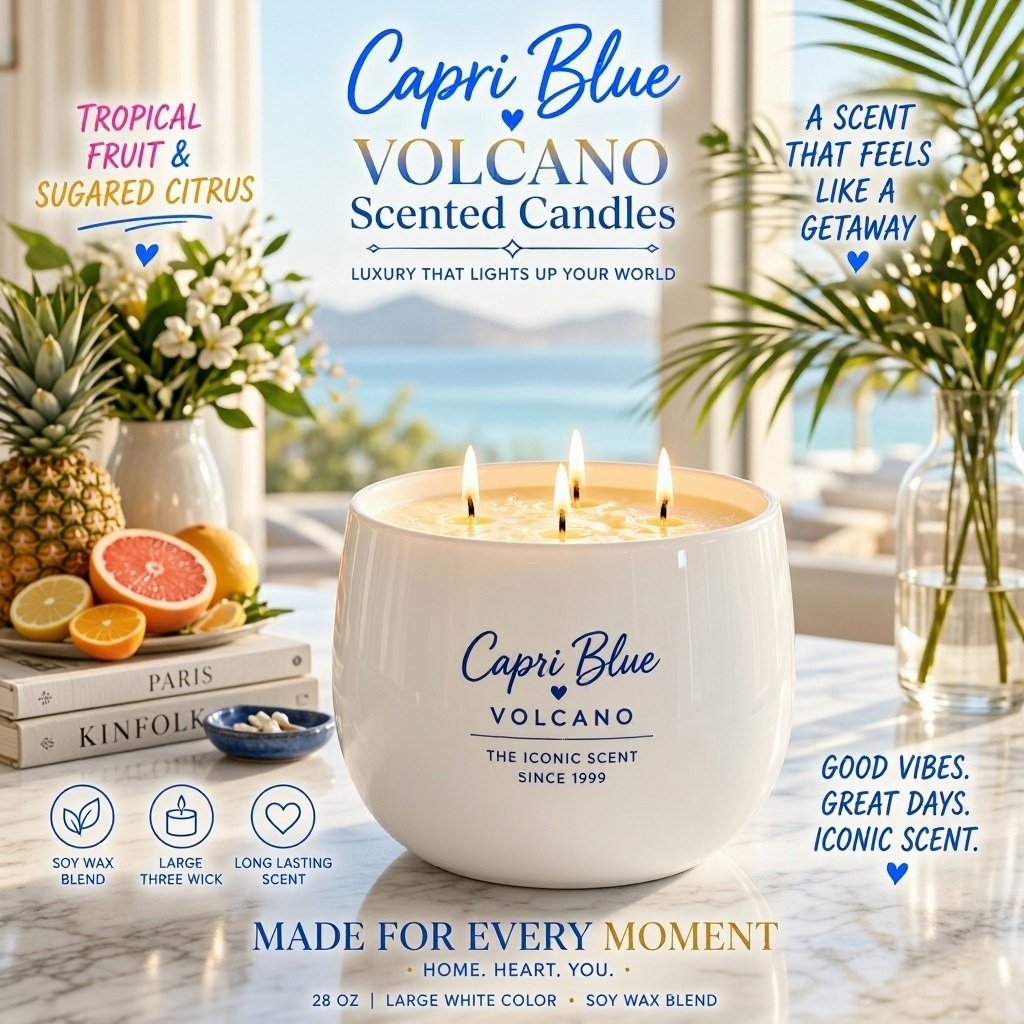
4. Capri Blue Volcano Scented Candle
A decorative and fragrant gift for people who enjoy cozy interiors, home decoration, and relaxing atmospheres.
Explore Fashnal's Home Fragrance category.
Check Capri Blue Candle on Amazon
5. Dossier Woody Sandalwood Eau de Parfum

A fragrance option for people who appreciate warm, woody scents and personal-care products.
Explore Fashnal's Perfumes category.
Check Dossier Woody Sandalwood on Amazon
Conclusion: The Meaning of Giving Is Greater Than the Gift
Gift-giving in Canada is much more than a seasonal shopping activity. It is a social tradition that connects families, celebrates important milestones, expresses appreciation, and helps people maintain relationships.
Christmas, birthdays, Valentine's Day, Mother's Day, Father's Day, weddings, and baby showers all provide opportunities for people to show that they care.
Research also suggests that gifts can influence emotional well-being and relationship strength, particularly when they reflect the recipient's interests or create shared experiences.
Ultimately, the value of a gift is not determined only by its price or appearance. A carefully chosen book, a handwritten card, a homemade present, a shared dinner, or a small surprise can communicate something meaningful.
Sometimes, the most memorable gift is simply the feeling that someone remembered you.
Affiliate Disclosure: Fashnal participates in the Amazon Associates Program. As an Amazon Associate, Fashnal earns from qualifying purchases. If you purchase through qualifying links on this page, we may earn a commission at no additional cost to you.
Product availability and listings may change. Please check the current Amazon product page before purchasing.
Comments (0)
No comments yet. Be the first to share your thoughts.
Sign in to comment