
Gift-Giving Traditions in Japan: Customs, Etiquette & the Meaning Behind Every Gift
In Japan, a gift is rarely just an object. It can represent gratitude, respect, affection, an apology, a business relationship, or a connection between people who may not see each other very often. From beautifully wrapped souvenirs brought home after a short trip to carefully prepared seasonal presents, gift-giving is woven into many parts of Japanese social life.
Unlike cultures where gifts are exchanged mainly on birthdays and major holidays, Japan has several distinctive traditions throughout the year. Some are connected to religious and seasonal celebrations, while others have developed through commercial culture, family customs, and modern consumer habits.
Understanding Japanese gift-giving culture also means understanding the importance of presentation, timing, reciprocity, and the relationship between the giver and receiver.
So, when do people in Japan exchange gifts? What do they usually give? Why is wrapping so important? And can gift-giving actually strengthen relationships?
Let's explore the traditions, consumer research, and social meaning behind gift-giving in Japan.
1. When Do People in Japan Give Gifts?
Japan has several important gift-giving occasions throughout the year. Some are familiar internationally, such as Valentine's Day and Christmas, while others are more closely connected to Japanese traditions.
Omiyage: Gifts After Traveling
One of the most distinctive Japanese customs is called omiyage (お土産), which means a souvenir or travel gift.
When people return from a trip, they often bring something back for family members, friends, colleagues, or people who helped them while they were away.
However, omiyage is different from buying a souvenir simply to remember a destination. It is a way of sharing the experience with people who were not part of the journey.
Typical omiyage gifts include:
- Regional sweets and traditional Japanese snacks.
- Locally produced tea and coffee.
- Chocolates and individually wrapped confectionery.
- Specialty food products associated with a particular region.
- Small handcrafted items.
Individually wrapped sweets are particularly practical because they can be distributed among colleagues or shared with several people.
Japan Airlines describes omiyage as an important cultural practice that connects travel experiences with family and social relationships.
Ochugen: Summer Gifts
Ochugen (お中元) is a traditional summer gift-giving season.
It usually takes place from early July to mid-August, although the exact timing varies between regions.
People give these gifts to relatives, teachers, business partners, clients, supervisors, and others to whom they wish to express gratitude.
The tradition is connected to the Buddhist Obon season, when families remember and honor their ancestors.
Typical ochugen gifts include:
- Fruit and seasonal food.
- Tea and coffee.
- Beer and other beverages.
- Traditional sweets.
- Seafood and packaged food.
- Gift sets for household use.
The important idea is not simply to give something expensive. The gift communicates appreciation for an ongoing relationship.
Oseibo: End-of-Year Gifts
Oseibo (お歳暮) is another important Japanese gift-giving tradition, usually observed in December.
While ochugen expresses appreciation during the summer, oseibo is an opportunity to thank people for their support throughout the year.
Families may send gifts to relatives, while companies and professionals may send them to clients, business partners, and people who have supported their work.
Food and drink are common choices because they can be shared and consumed rather than becoming unnecessary household possessions.
According to Nippon.com, households traditionally send around two to three gifts during each of these seasonal periods, although this figure comes from its earlier coverage and should not be interpreted as a current national average.
Valentine's Day – February 14
Valentine's Day in Japan has a distinctive history.
Traditionally, women gave chocolates to men, including romantic partners and male colleagues.
Several types of chocolate gifts developed:
- Honmei-choco: Chocolate given to someone special, such as a romantic partner.
- Giri-choco: So-called obligatory chocolate given to colleagues, supervisors, or acquaintances.
- Tomo-choco: Chocolate exchanged among friends.
- Jibun-choco: Chocolate purchased for oneself.
Over time, Valentine's Day has moved beyond its original romantic meaning. It is increasingly associated with enjoying premium chocolate, expressing friendship, and treating oneself.
A survey conducted by Tokyo department store Matsuya Ginza in December 2025 included 1,328 respondents. It found that 65.0% intended to purchase chocolate for themselves, 53.7% for a romantic partner or significant other, 28.5% for friends, and 20.1% for colleagues or supervisors.
These were overlapping gift intentions among the department store's newsletter subscribers, not percentages of the entire Japanese population (Nippon.com, 2026).
White Day – March 14
White Day takes place exactly one month after Valentine's Day.
Traditionally, men who received Valentine's gifts return a present to the women who gave them chocolates.
Common gifts include sweets, chocolates, cookies, accessories, and other small presents.
Historically, the custom reinforced the idea of reciprocity in Japanese gift culture. Today, however, not everyone follows the tradition in the same way, particularly among younger generations.
New Year – Otoshidama
New Year, known as Shogatsu (正月), is one of Japan's most important annual celebrations.
During this period, adults commonly give children money in a tradition called otoshidama (お年玉).
The money is placed inside small decorative envelopes called pochibukuro.
Children may receive these gifts from parents, grandparents, uncles, aunts, and other relatives.
The tradition has historical connections with New Year offerings and beliefs about receiving blessings for the year ahead.
Unlike an ordinary cash transfer, otoshidama is presented as a symbolic New Year gift, with the envelope forming part of the custom.
Birthdays, Weddings, Graduations, and New Babies
Like people in other countries, Japanese families and friends exchange gifts for birthdays, weddings, anniversaries, graduations, and other important milestones.
There are also particular traditions for:
- School entrance and graduation.
- Coming-of-age celebrations.
- Starting a new job.
- Moving into a new home.
- The birth of a child.
- Recovery from illness.
- Funerals and expressions of condolence.
Money is frequently given at weddings and other major life events, but the presentation and etiquette depend on the occasion.
Christmas is also a recognizable gift-giving occasion in modern Japan, although it has a different cultural and religious background from traditional Japanese seasonal gift customs.
2. What Types of Gifts Are Popular in Japan?
Japanese gift preferences combine practicality, presentation, seasonal meaning, and personal taste.
Food and Sweets
Food is one of the most established categories of Japanese gifts.
Traditional seasonal presents often include:
- Premium tea and coffee.
- Japanese sweets and confectionery.
- Fresh and packaged fruit.
- Regional specialty foods.
- Seafood products.
- Chocolate and other desserts.
One reason food is so suitable for formal gift-giving is that it can be shared or consumed without creating a permanent obligation to keep another decorative object.
For omiyage, regional food specialties are particularly meaningful because they represent the place someone has visited.
Tea and Traditional Tea Accessories
Tea has a long cultural history in Japan.
Japanese green tea, matcha, ceramic tea cups, traditional teapots, and matcha preparation accessories can make thoughtful presents for people interested in Japanese culture.
A matcha set may include:
- A ceramic tea bowl called a chawan.
- A bamboo whisk called a chasen.
- A bamboo scoop called a chashaku.
- A whisk holder.
- Matcha powder.
Japan Airlines identifies matcha, tea cups, and traditional teapots as examples of Japanese products that make meaningful souvenirs.
Beauty and Skincare Products
Japanese beauty products have also become recognizable gift options.
Examples include:
- Facial sheet masks.
- Camellia or tsubaki oil.
- Japanese sunscreen.
- Skincare gift sets.
- Personal-care accessories.
These products are particularly suitable for people who enjoy skincare and self-care routines.
The key is to choose something appropriate for the recipient's preferences rather than assuming everyone wants the same beauty products.
Traditional Crafts and Accessories
Japan is well known for craftsmanship, and handmade products can carry cultural and aesthetic value.
Examples include:
- Furoshiki wrapping cloths.
- Tenugui cotton towels.
- Folding fans called sensu.
- Traditional chopsticks.
- Japanese stationery.
- Ceramic objects and decorative items.
A furoshiki is especially interesting because it is both a gift-wrapping material and a reusable piece of fabric that can serve other purposes.
Incense and Home Fragrance
Japanese incense and traditional candles are also distinctive gift ideas.
They are available in different forms, including incense sticks, cones, and coils, with scents ranging from floral to woody.
Traditional Japanese candles, known as warosoku, are valued for their craftsmanship and decorative appearance.
These products can appeal to people who appreciate calm interiors, traditional design, and home fragrance.
3. Japanese Gift-Giving Etiquette: Why Presentation Matters
One of the most interesting aspects of Japanese gift culture is that the way a gift is presented can be almost as important as the object itself.
The Importance of Wrapping
Gift wrapping in Japan is often treated as an expression of respect and consideration.
A beautifully wrapped present communicates that the giver has taken time to prepare something for the recipient.
Traditional gift presentation may involve:
- Carefully folded Japanese paper.
- Decorative cords.
- Special envelopes.
- Seasonal patterns.
- Symbolic colors and knots.
Two important elements are mizuhiki and noshi.
Mizuhiki consists of decorative cords made from twisted paper. Different colors and knot styles can represent different occasions.
Noshi is a decorative paper element traditionally attached to gifts for auspicious occasions.
These details help communicate whether a gift is intended for a celebration, a formal thank-you, or another particular event.
Furoshiki: Traditional and Reusable Gift Wrapping
Furoshiki is a traditional Japanese wrapping cloth.
It can be used to wrap gifts, carry objects, or serve as a decorative accessory.
Unlike disposable wrapping paper, a furoshiki cloth can be reused many times.
It can also become part of the gift itself.
This makes it an interesting choice for people who appreciate practical, reusable products and traditional Japanese design.
Okaeshi: Returning a Gift
Another important tradition is okaeshi (お返し), meaning a return gift.
When someone receives a present, especially for a major celebration such as a wedding, birth, or recovery from illness, they may give something in return to express appreciation.
The return gift is not necessarily identical in value or type to the original present.
The purpose is to acknowledge the other person's kindness and maintain a balanced social relationship.
The timing and form of okaeshi depend on the occasion and the relationship between the people involved.
Giving Money: Special Envelopes and Symbolism
Money gifts are common at weddings and other major milestones.
However, money is not usually handed over casually in the same way as an ordinary present.
For celebratory occasions, special envelopes called shugi-bukuro are used. For funeral condolences, koden is presented in a different type of envelope.
Some traditional etiquette rules include:
- Using new banknotes for celebratory money gifts.
- Avoiding direct handover of loose cash.
- Choosing an envelope appropriate for the occasion and amount.
- Avoiding certain numbers associated with negative meanings.
For example, four and nine can be avoided because their Japanese pronunciations resemble words associated with death and suffering.
Even numbers may also be avoided for some wedding gifts because they can symbolize separation.
These are traditional conventions rather than universal rules, and practices vary depending on the family, event, and region.
4. How Gift-Giving Influences Relationships in Japan
Gift-giving is not simply a consumer activity. It is also part of how people express appreciation, maintain relationships, and recognize their connections with others.
Japanese sociological and anthropological research has examined the role of gifts in maintaining social relationships.
A 1988 study by Takamitsu Suzuki, published in The Annual Review of Sociology, examined how gift-giving and receiving in Japanese society differ according to the relationship between the giver and receiver.
The research highlighted the importance of social groups and power relationships in shaping gift exchanges.
In other words, the same present may have a different meaning depending on whether it is given to a close friend, a family member, a teacher, or a business associate.
A more recent example of Japanese gift culture can be found in Inge Daniels' 2009 research on the social life of unused gifts in contemporary urban Japan.
The study examined how gifts circulate through everyday life and how using or consuming them can contribute to the reproduction of social relationships and shared expectations.
What Do Recent Statistics Tell Us?
A September 30, 2026 report by Nomura Research Institute (NRI) offers useful evidence about changing gift habits.
The research was based on an August 2026 survey of 3,192 people aged 15–69 living in Tokyo and six other prefectures in the Kanto region.
Among respondents:
- 52.6% said they had given some form of gift during the previous year.
- 28.5% reported giving physical gifts for celebrations or anniversaries.
- 16.5% reported giving traditional seasonal gifts such as ochugen and oseibo.
- 65.8% agreed that communicating feelings matters more than following formal gift-giving rules.
- 60.8% preferred exchanging gifts without worrying about whether a return gift would be expected.
These are survey responses from the Kanto region, not a national estimate for all of Japan.
The study also found clear generational differences. For example, 23.8% of women in their twenties reported giving digital gift cards, compared with only 4.4% who reported sending traditional seasonal gifts.
This suggests that Japanese gift culture is changing, with younger consumers increasingly comfortable with digital and informal forms of giving.
Can Gifts Strengthen Relationships?
International academic research provides additional insight into the emotional effects of gifts.
In a 2017 study published in the Journal of Consumer Research, Cindy Chan and Cassie Mogilner investigated whether material or experiential gifts were more effective at strengthening relationships.
Their experiments involving real-life gift exchanges found that experiential gifts, such as events and activities, produced greater improvements in relationship strength than material presents.
The researchers associated this effect with the emotional intensity experienced when the recipient used or enjoyed the gift.
Although the study was not specifically conducted in Japan, its findings are relevant to Japanese gift-giving as well.
For example, sharing a tea experience, attending a cultural event, or enjoying a meal together can create memories that extend beyond the physical object.
Gift-Giving Can Also Create Pressure
It is important not to assume that every gift exchange automatically improves relationships.
The 2026 NRI survey also identified several challenges:
- 35.4% found choosing a gift difficult or time-consuming.
- 35.1% identified the financial cost as a concern.
- 31.8% did not know the recipient's preferences well enough.
- 27.7% found the expectation of giving or receiving return gifts burdensome.
These findings reveal an important tension in Japanese gift culture.
On one hand, gifts can communicate respect, gratitude, and affection. On the other hand, formal expectations can make gift-giving feel like an obligation.
The growing preference for informal exchanges and digital gifts may partly reflect a desire to preserve the emotional meaning of giving while reducing the pressure associated with traditional rituals.
5. Five Japan-Inspired Gift Ideas for Different Occasions
Japanese gift culture offers inspiration for people looking for thoughtful, practical, and distinctive presents.
The following five ideas are suitable for different occasions, from birthdays and holidays to small thank-you gifts.
1. Japanese Matcha Tea Starter Set
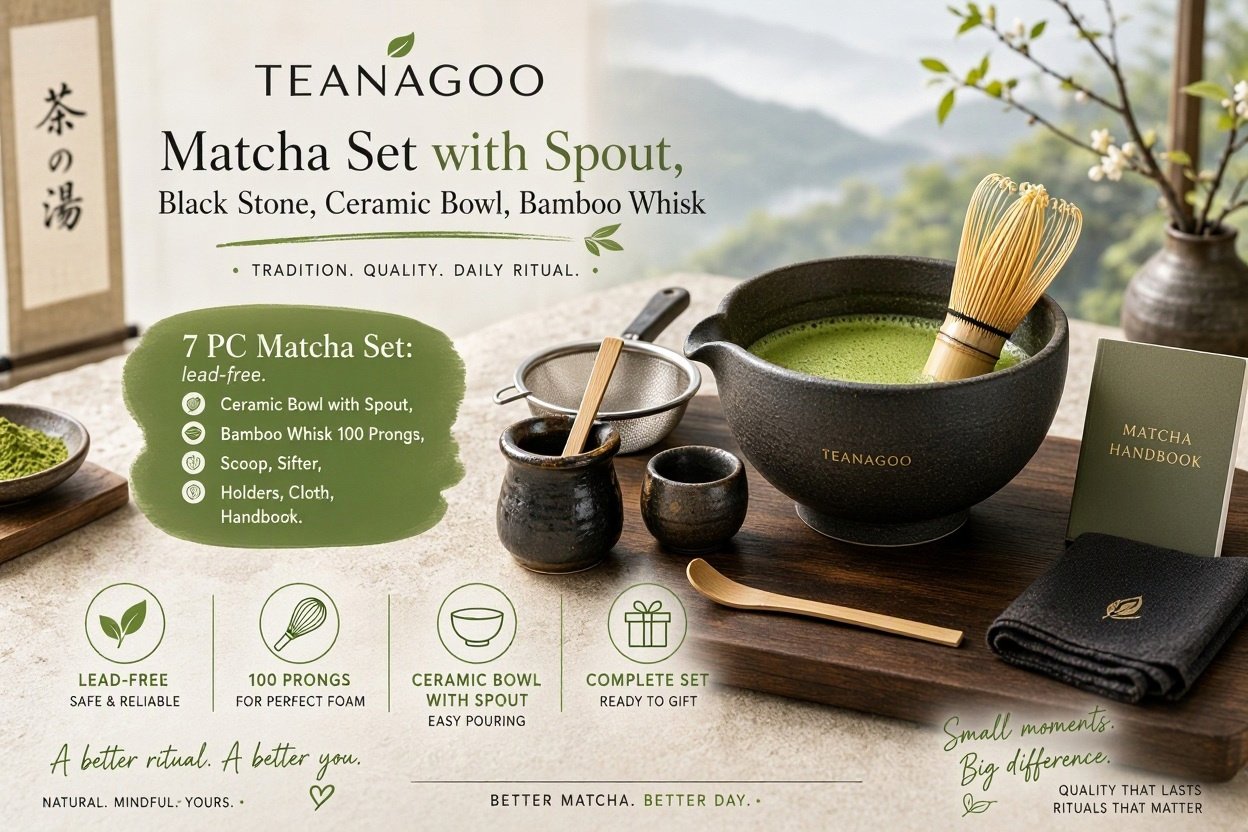
A matcha starter set can be a thoughtful present for someone interested in Japanese tea culture.
Look for a ceramic bowl, bamboo whisk, scoop, and a suitable matcha preparation accessory set.
It is particularly appropriate for people who enjoy traditional drinks, cooking, or learning about Japanese culture.
Explore Fashnal's Mugs & Cups category.
Explore Japanese Matcha Sets on Amazon
2. Japanese Furoshiki Wrapping Cloth
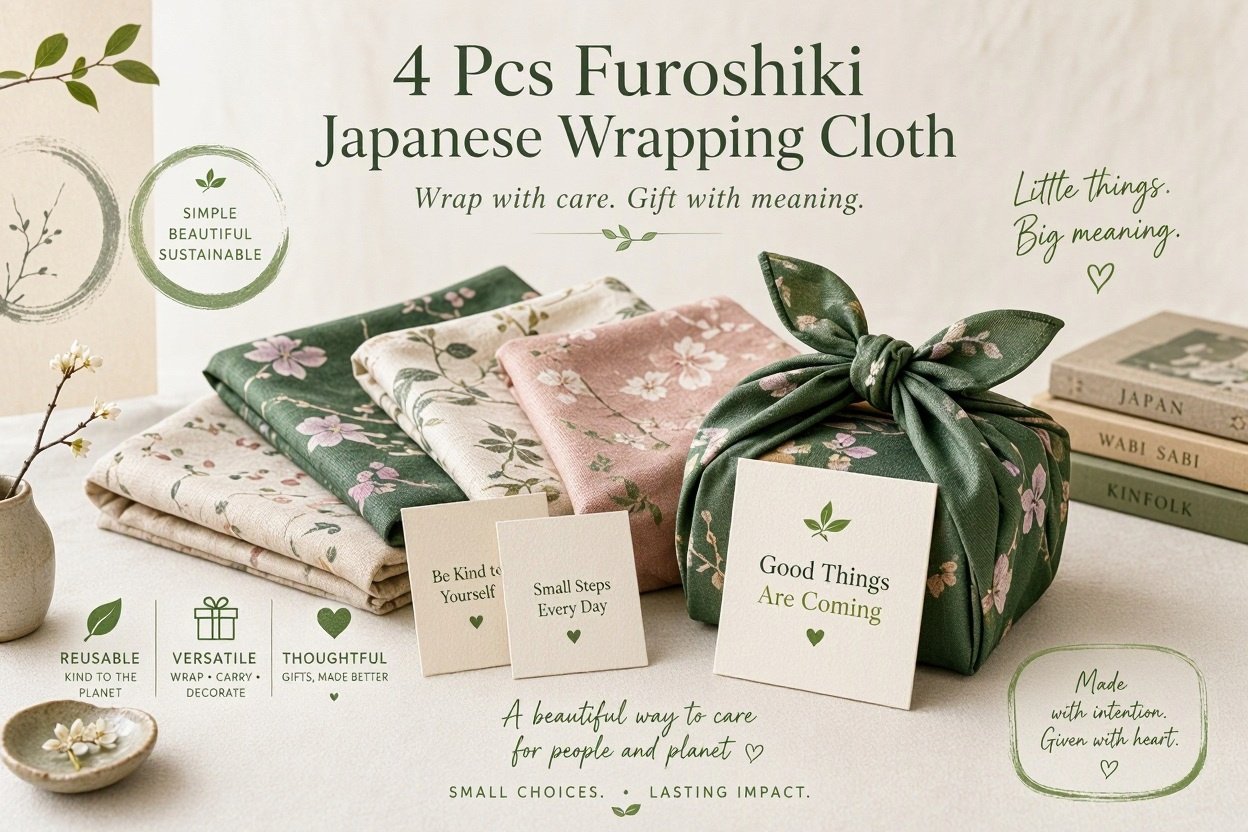
A furoshiki is more than decorative wrapping.
It can be reused as a carrying cloth, an accessory, or a decorative item.
Choose a design featuring traditional Japanese patterns, flowers, landscapes, or seasonal motifs.
This is a particularly thoughtful choice for people who appreciate reusable products and traditional craftsmanship.
Explore Fashnal's Bags & Handbags category.
Explore Japanese Furoshiki Cloths on Amazon
3. Japanese Incense Gift Set
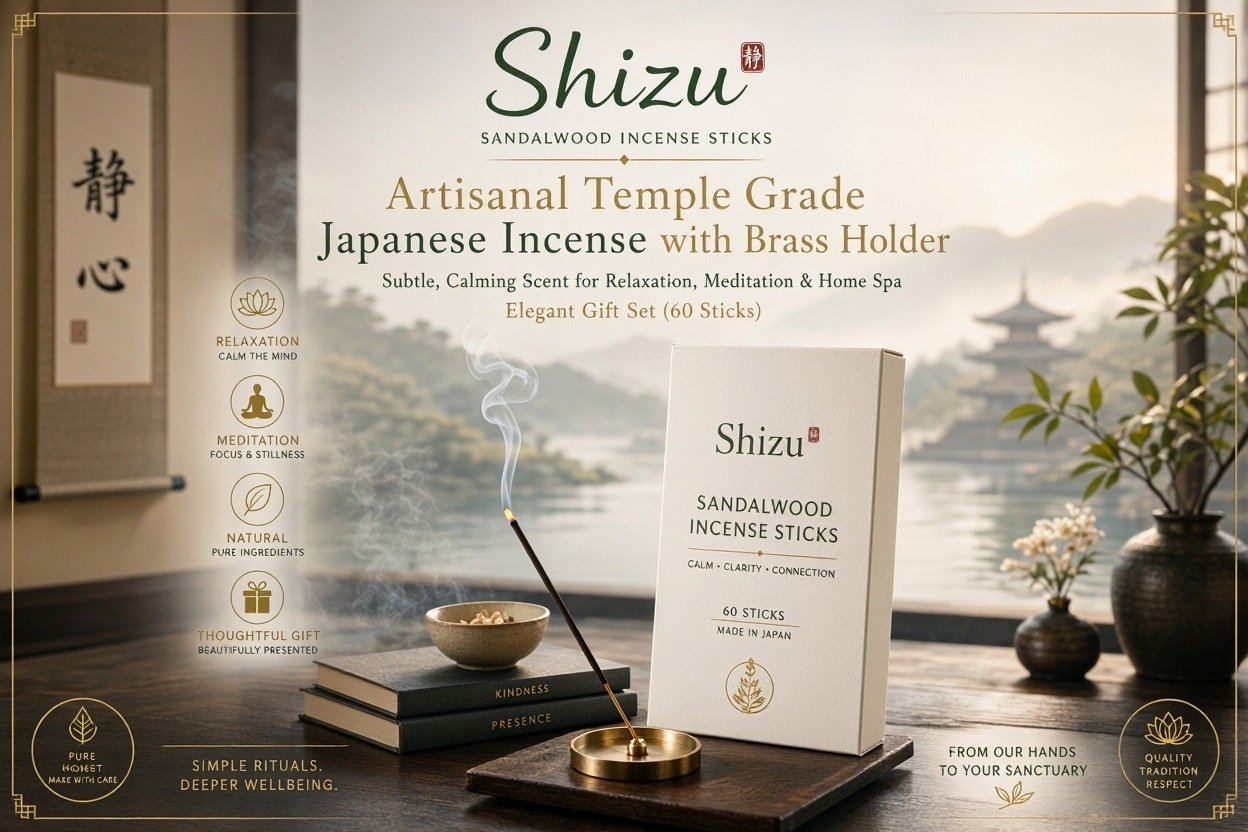
Japanese incense can make a thoughtful present for someone who enjoys home fragrance and traditional Japanese products.
Look for an incense gift set containing different scents and a suitable holder.
Floral, woody, and herbal fragrances offer different experiences, so it is worth considering the recipient's preferences.
Explore Fashnal's Home Fragrance category.
Explore Japanese Incense Gift Sets on Amazon
4. Japanese Chopsticks Gift Set
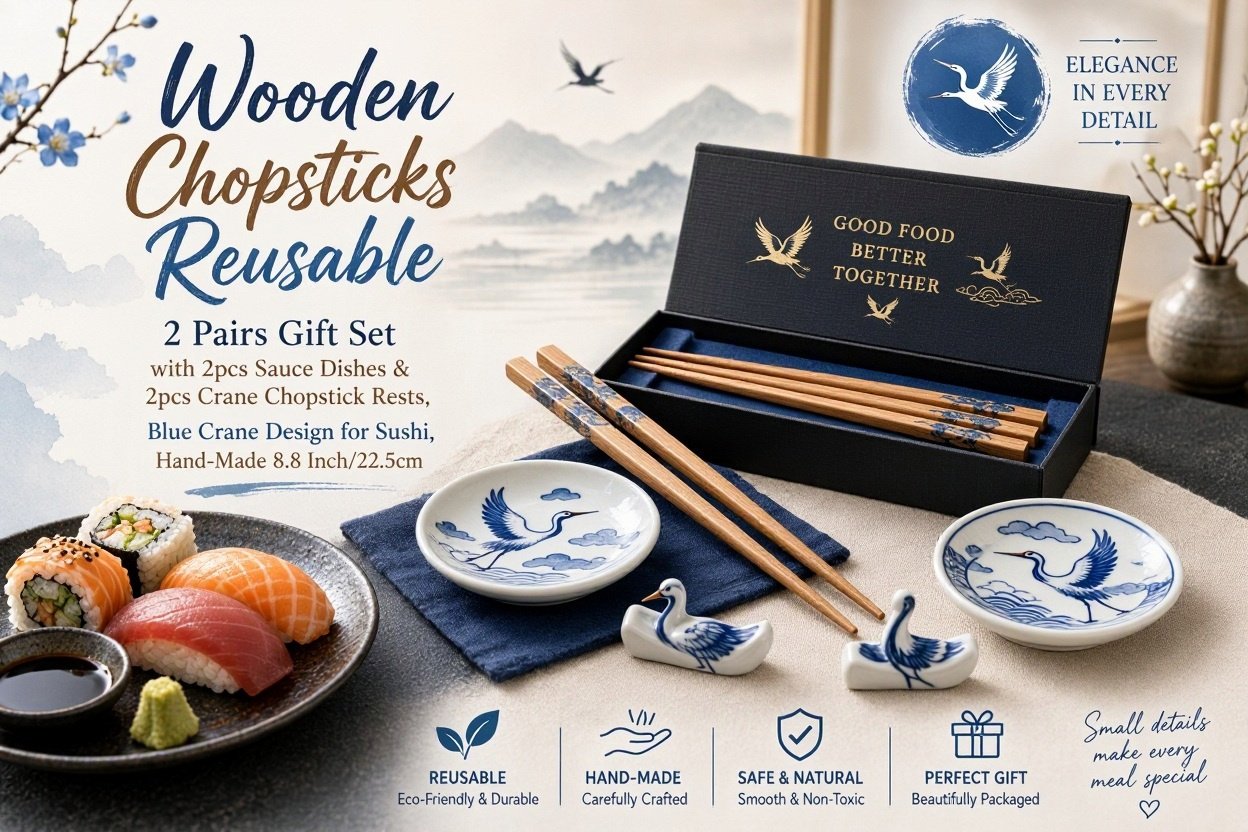
A Japanese chopsticks set is a practical gift connected to everyday dining culture.
Some sets include decorative chopsticks, matching rests, and presentation boxes.
They can be suitable for housewarming occasions, birthdays, or people interested in Japanese food and cooking.
Explore Fashnal's Dinnerware Sets category.
Explore Japanese Chopsticks Gift Sets on Amazon
5. Japanese Skincare Sheet Mask Gift Set

Japanese sheet masks are another gift option for people who enjoy skincare and personal-care products.
Some sets contain several types of masks, allowing recipients to try different formulations and routines.
When selecting skincare as a gift, it is important to consider the recipient's skin preferences and any ingredient sensitivities.
Explore Fashnal's Beauty & Health category.
Explore Japanese Sheet Mask Gift Sets on Amazon
Conclusion: In Japan, the Meaning of a Gift Goes Beyond the Object
Japanese gift-giving culture demonstrates how small gestures can carry significant social meaning.
From omiyage and seasonal presents to Valentine's Day chocolates, New Year money gifts, and wedding envelopes, each tradition has its own timing, purpose, and etiquette.
The importance of presentation, reciprocity, and choosing something appropriate for the recipient reflects the broader role of gift-giving in Japanese society.
At the same time, recent research shows that traditions are evolving. Younger generations are increasingly embracing digital gifts and informal exchanges, while many people continue to value the emotional message behind a present.
Research on relationships also suggests that experiences can be particularly effective gifts because of the emotions and memories they create.
Ultimately, the most meaningful gift is not necessarily the most expensive or elaborate one. It is the one that communicates appreciation, understanding, and genuine consideration.
Sometimes, a small box of regional sweets, a beautifully wrapped tea cup, or a simple message of gratitude can say more than an expensive present.
Affiliate Disclosure: Fashnal participates in the Amazon Associates Program. As an Amazon Associate, Fashnal earns from qualifying purchases. If you purchase through qualifying links on this page, we may earn a commission at no additional cost to you.
Product links lead to Amazon search results. Product selection, prices, and availability should be checked on the relevant Amazon listing before publication.
References
- Nomura Research Institute (NRI). (September 30, 2026). From Gifts to Sending Feelings: Consumer Values Around New Gift Forms. Original research report.
- Excrie, Cross Marketing Group. (March 9, 2026). 2026 Valentine's Day Consumption Survey. Survey results.
- Nippon.com Staff. (February 13, 2026). Japanese Increasingly Splurging on Themselves for Valentine's Day. Japan Data.
- Nippon.com. (July 11, 2015). The Social Custom of Gift Giving. Cultural overview.
- Nippon.com. (February 10, 2025). Shūgi and Kōden: Money Gifts Expressing Congratulations or Condolences. Guide to Japanese money-gift customs.
- Japan Airlines (JAL). (n.d.). Japanese Souvenirs: What To Bring Home from Your Trip. Japanese souvenirs and traditional gifts.
- Minowa, Y., Khomenko, O., & Belk, R. W. (2011). Social Change and Gendered Gift-Giving Rituals: A Historical Analysis of Valentine's Day in Japan. Journal of Macromarketing, 31(1), 44–56. https://doi.org/10.1177/0276146710375831.
- Suzuki, T. (1988). Gift and Social Relation. The Annual Review of Sociology, 1988(1), 23–34. https://doi.org/10.5690/kantoh.1988.23.
- Daniels, I. (2009). The 'Social Death' of Unused Gifts: Surplus and Value in Contemporary Japan. Journal of Material Culture, 14(3). https://doi.org/10.1177/1359183509106426.
- Chan, C., & Mogilner, C. (2017). Experiential Gifts Foster Stronger Social Relationships than Material Gifts. Journal of Consumer Research, 43(6), 913–931. https://doi.org/10.1093/jcr/ucw067.
- Kino, K., & Iwaki, T. (2008). Values Attached to Gifts and Attachment to Objects: An Analysis of Gift-Givers' Perceptions. Japanese Journal of Research on Emotions, 16(1), 73–86. https://doi.org/10.4092/jsre.16.73.
Comments (0)
No comments yet. Be the first to share your thoughts.
Sign in to comment