
Quick answer: Measure the space and doorways first, compare energy use over the years you will own it, check the noise level and whether service is available near you, and read reviews from owners who have used it for a year or more.
Home appliances are long-term purchases — most are expected to last five, ten, or more years — which makes the usual "cheapest option wins" instinct riskier here than in almost any other category you'll shop in.
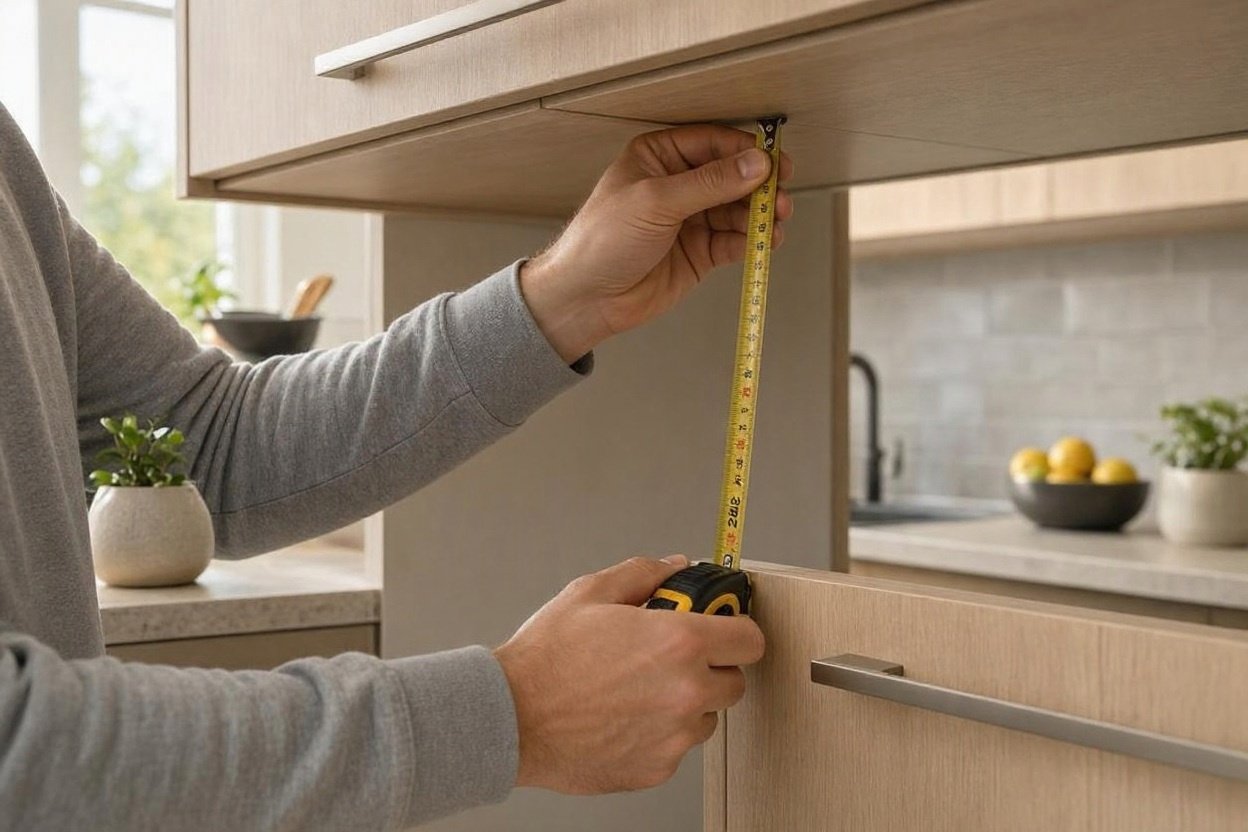
Measure your space first
Do this before you shop, not after you've already picked a model. Dimensions that look perfectly reasonable in a product photo can turn out to be a tight, frustrating fit in your actual kitchen or laundry room. A tape measure and five minutes upfront prevents more returns than any review ever will.
Energy efficiency compounds over time
This is worth taking seriously for anything that runs often — refrigerators, washing machines, and similar appliances run for years. A more efficient model can pay back a higher purchase price over time through lower running costs, sometimes fully offsetting the price difference well before the appliance wears out.
Noise level rarely makes it onto the spec sheet
If an appliance runs while you're home — a dishwasher, a washing machine — check reviews specifically for noise complaints, since it's rarely mentioned in the main specifications at all. This is exactly the kind of detail that only shows up once real owners have lived with the product for a while.
Check that service is actually available
Confirm that service and parts are available where you live before buying an unfamiliar brand. A great appliance you can't get repaired when something breaks in year three is a worse long-term purchase than a slightly less impressive one that's easy to service locally.
Read reviews from long-term owners
Read reviews from people who've owned the appliance for months, not weeks. Appliances tend to reveal their real reliability well after the return window has closed — which is exactly the information a fresh, first-week review can never give you.
Common appliance-buying mistakes
The most common mistake is buying strictly on capacity or size, without checking installation requirements — a washing machine that's technically the right dimensions can still fail to fit through a doorway or connect to existing plumbing without extra work. Always check installation notes, not just the appliance's own footprint.
A second common mistake is ignoring the total cost of ownership. A cheaper appliance with a shorter expected lifespan, higher energy use, and pricier replacement filters or parts can easily cost more over ten years than a pricier model that's efficient and cheap to maintain. Whenever the numbers are available, it's worth doing that longer-term math rather than comparing purchase price alone.
Because appliances are a long-term commitment, it's worth spending real time comparing a handful of options rather than picking the first one that fits your budget. The extra hour of research is small compared to years of living with the result.
Small kitchen appliances people keep using
| Appliance | Why it lasts in the kitchen | Where to look |
|---|---|---|
| Stand mixer | Built for decades, many attachments. | KitchenAid Artisan on Amazon |
| Capsule coffee machine | One-touch, small footprint. | Nespresso Vertuo Pop+ on Amazon |
| Ice cream maker | Makes desserts from your own recipes. | Ninja CREAMi on Amazon |
| Coffee machines and kitchen appliances | Compare prices across stores. | Coffee machines and kitchen appliances on Fashnal |
A worked example: choosing a washing machine
Measure the space: width, depth (with the door open) and the route through doors and stairs. Choose the capacity for your household: about 7 kg for one or two people, 8-9 kg for a family. Compare the energy label and the yearly running cost, not only the price: a machine that costs $80 more but uses less energy and water can pay back the difference over its life. Check the noise level if the machine is near a bedroom or living room.
Then ask who repairs it. A brand with service and spare parts near you is worth more than a few extra programmes you will never use.
Small appliances: buy for the habit you have
Kitchen gadgets are easy to buy and easy to forget in a cupboard. Buy for the habit you already have, not the one you hope to start: a coffee machine if you buy coffee every day, an air fryer if you cook for one or two most evenings. Check the counter space, how easy it is to clean, and whether replacement parts are sold. A small appliance used daily is great value; one used twice a year is clutter.
Frequently asked questions
What should I check before buying a large appliance?
Measurements (including doors and stairs), energy rating, noise level, warranty and whether a service centre is near you.
Is a more energy-efficient appliance worth the higher price?
Usually yes for things that run daily, such as fridges and washing machines: the savings add up over ten years.
Where can I compare appliance prices?
On Fashnal, open an appliance to see its offers from different stores side by side.
Keep reading
- How to Find the Best Value: Think in Cost per Use, Not Price
- How to Compare Products Before Buying: A 10-Point Checklist
- How to Choose Electronics: Pay for What You Will Actually Use
As an Amazon Associate, Fashnal earns from qualifying purchases. If you buy through an Amazon link on this page, we may earn a small commission at no extra cost to you. Prices on Fashnal compare offers from several stores.
Comments (0)
No comments yet. Be the first to share your thoughts.
Sign in to comment