
Gift-giving traditions in New Zealand blend familiar celebrations such as a summer Christmas with Māori customs like koha. New Zealand is known for its spectacular landscapes, outdoor lifestyle, friendly communities, and multicultural society. But there is another interesting aspect of Kiwi culture that deserves attention: the way people express appreciation, friendship, and love through gifts.
Gift-giving in New Zealand combines familiar international celebrations with traditions that have much deeper cultural meanings.
Christmas is one of the most important occasions for exchanging presents, but Mother's Day, Father's Day, Valentine's Day, birthdays, and weddings also play an important role.
There is also a particularly meaningful Māori tradition called koha, which is associated with reciprocity, respect, hospitality, and relationships. Unlike an ordinary commercial gift, koha can have spiritual and social significance within its cultural context.
Interestingly, New Zealand's summer Christmas, its growing interest in experience-based presents, and its distinctive Māori customs make the country an especially interesting subject for anyone studying international gift-giving culture.
So, when do New Zealanders exchange gifts? What do they usually give? Which traditions should visitors understand? And does research suggest that giving presents can strengthen relationships?
Let's explore.
1. When Do New Zealanders Give Gifts?
Gift-giving takes place throughout the year, but several celebrations are particularly important.
Christmas – December 25
Christmas is one of New Zealand's biggest gift-giving occasions.
Because New Zealand is in the Southern Hemisphere, Christmas takes place during summer. This creates a very different atmosphere from the snowy Christmas celebrations often seen in Europe and North America.
Families frequently celebrate outdoors, organize barbecues, enjoy summer meals, and spend time together.
Christmas Day is December 25, followed by Boxing Day on December 26.
Common Christmas presents include:
- Clothing, shoes, and accessories.
- Books and educational products.
- Toys and games.
- Electronics and headphones.
- Perfumes and personal-care products.
- Gift cards.
- Home accessories.
- Food and chocolate hampers.
- Tickets for entertainment and experiences.
Christmas is also a major shopping period.
What are New Zealanders planning to spend in Christmas 2026?
A recent consumer study provides an interesting picture.
Pureprofile published its Australia & New Zealand Christmas & Black Friday Report 2026 on November 9, 2026, based on a survey of 2,027 people across the two countries.
According to the published report:
- New Zealand respondents expected to spend an average of NZ$393 on Christmas gifts.
- Expected spending on festive food and drinks was NZ$456.
- 48% of New Zealand respondents planned to purchase Christmas gifts during Black Friday or Cyber Monday sales.
These figures represent reported intentions, not confirmed purchases. The public summary does not separately disclose the New Zealand sample size, so the results should not be treated as a definitive census of all Kiwi households. (Pureprofile, 2026).
Another useful comparison comes from Westpac New Zealand.
In December 2025, Westpac surveyed 1,087 of its customers about their holiday-season budgets. When asked about gift spending:
- 36% planned to spend less than the previous year.
- 51% expected to spend approximately the same.
- 10% intended to spend more.
- 2% were unsure.
This survey illustrates how household budgets influence gift-giving decisions, although Westpac customers should not be assumed to represent every New Zealand household. These were also spending intentions, not final expenditure. (Westpac NZ, 2025).
What about actual spending?
Worldline's payment-network figures provide a different perspective.
During December 2025, spending processed through its New Zealand core-retail merchant network reached NZ$4.702 billion, approximately 0.2% lower than December 2024.
This is actual transaction data rather than survey intentions. However, it includes general retail purchases and cannot be interpreted as spending on gifts alone. (Worldline NZ, 2026).
The distinction matters: people may plan generous Christmas gifts but eventually adjust their budgets when they begin shopping.
Mother's Day – The Second Sunday of May
Mother's Day is an important family celebration in New Zealand.
It is observed on the second Sunday of May, with families recognizing mothers, grandmothers, and other maternal figures.
Common presents include:
- Flowers.
- Chocolates.
- Perfume.
- Jewelry.
- Handmade cards.
- Breakfast or dinner.
- Gift cards.
- Personal-care products.
A particularly interesting survey was conducted by Foodstuffs New Zealand, the cooperative behind PAK'nSAVE, New World, and Four Square.
In May 2024, Foodstuffs consulted more than 1,100 members of its online panel about Mother's Day plans.
The findings included:
- 38% of mothers expected to receive flowers.
- 35% expected chocolate.
- 28% expected a gift card.
- 43% of mothers said their ideal Mother's Day would involve spending a day with family.
More than one-third of respondents planned their celebration more than a week in advance.
The research also highlighted the popularity of homemade gifts and preparing a meal for mothers. (Foodstuffs NZ, 2024).
This suggests that time and personal attention can be just as important as the physical present.
Father's Day – The First Sunday of September
New Zealand has a different Father's Day date from the United States, Canada, and the United Kingdom.
It is celebrated on the first Sunday of September.
In 2026, Father's Day fell on September 6.
The tradition has a relatively long history in New Zealand. According to the Family Dispute Resolution Centre, an early Father's Day service was held at St Matthew's Church in Auckland on July 14, 1929.
The September celebration subsequently became established in New Zealand. (Family Dispute Resolution Centre, 2019; Time and Date, 2026).
Popular presents include:
- Watches.
- Clothing.
- Books.
- Coffee equipment.
- Sports accessories.
- Barbecue equipment.
- Electronics.
- Outdoor and camping equipment.
Many families also celebrate with breakfast, lunch, or an outdoor activity.
Valentine's Day – February 14
Valentine's Day is celebrated on February 14.
Flowers, chocolates, perfume, jewelry, greeting cards, and romantic dinners are common gifts.
Some couples prefer experiences rather than physical presents, including restaurant visits, weekend trips, spa experiences, or outdoor adventures.
For gift retailers, this is an opportunity to promote products for couples, romantic occasions, and personalized presents.
Matariki – The Māori New Year
One of the most culturally significant celebrations in New Zealand is Matariki, which marks the Māori New Year.
Matariki is associated with the appearance of the Pleiades star cluster in the winter sky.
It is a time for remembering people who have passed away, celebrating the present, and looking towards the future.
Since 2022, Matariki has been recognized as a national public holiday. In 2026, it was observed on July 10; in 2027, it will be June 25. (Meredith, n.d.; New Zealand Government, 2026).
Unlike Christmas or Valentine's Day, Matariki should not be described simply as a commercial gift-giving holiday.
Its importance lies more in community, remembrance, cultural identity, family connections, shared food, and reflection.
Families and communities may organize gatherings, prepare traditional food, tell stories, and participate in cultural events.
These activities provide an opportunity to express appreciation and strengthen relationships without necessarily exchanging purchased presents.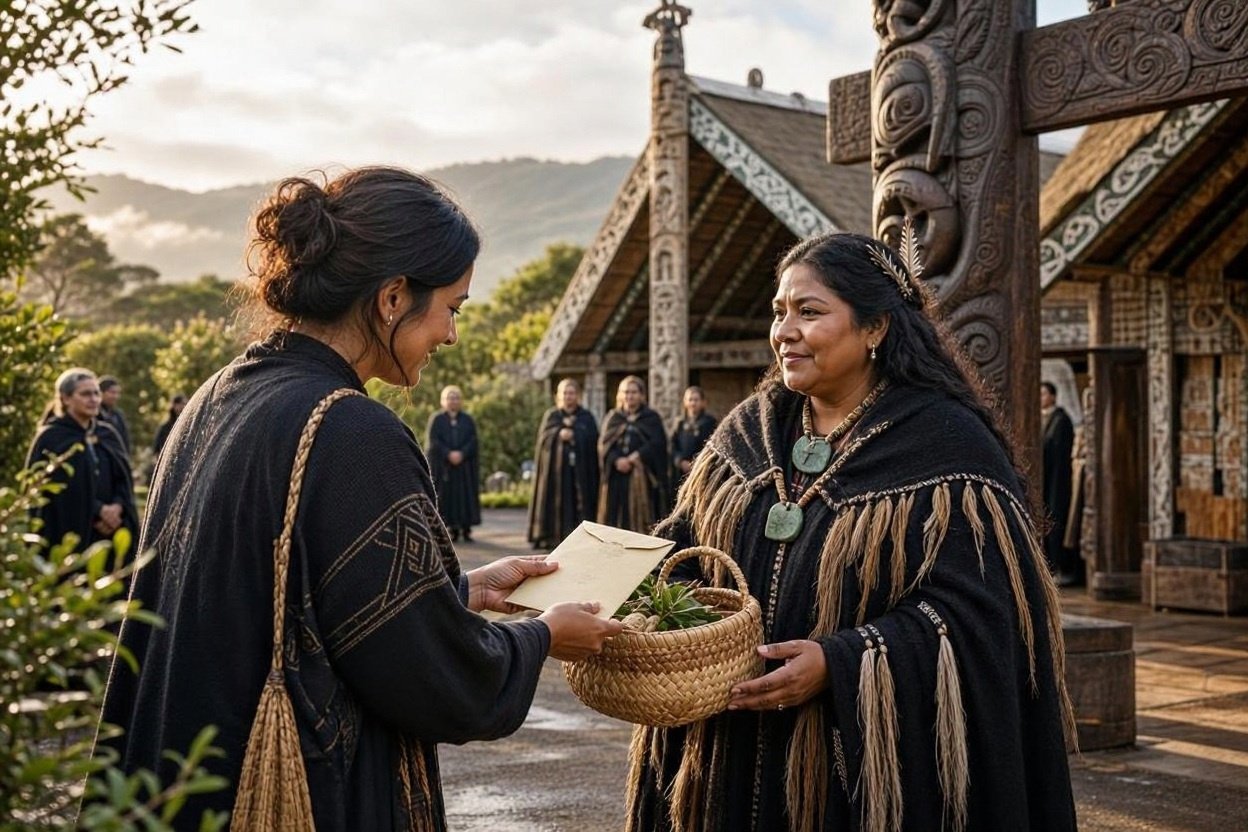
Birthdays, Weddings, and Housewarming Celebrations
Birthdays remain important personal gift-giving occasions.
Friends and family members often exchange clothing, books, jewelry, toys, perfumes, and personalized products.
Weddings are another major occasion. Couples may create gift registries, allowing guests to choose useful items for their new homes.
Housewarming parties, graduations, anniversaries, baby showers, and retirement celebrations are also occasions when people commonly give presents.
2. What Types of Gifts Are Popular in New Zealand?
New Zealand has a combination of practical, personal, traditional, and experience-based gift preferences.
Clothing and Merino Wool Products
Clothing is a versatile gift for many occasions.
New Zealand is particularly associated with merino wool products, which are valued for their softness, warmth, and practical qualities.
Scarves, sweaters, socks, gloves, jackets, and outdoor clothing can make suitable gifts.
New Zealand-founded outdoor brands have also helped establish the country's international reputation for merino products.
Explore Fashnal's Clothing, Shoes & Accessories category.
Chocolate and Food Gifts
Chocolate, gourmet food baskets, coffee, tea, and locally produced specialties are common gift choices.
New Zealand's Whittaker's chocolate is a recognizable local brand, while food hampers can contain biscuits, honey, chocolate, specialty drinks, and other treats.
Food presents are particularly suitable for Christmas, birthdays, and thank-you gifts.
Coffee and Coffee Equipment
Coffee has a strong place in New Zealand's everyday culture.
Café-style coffee, espresso equipment, reusable coffee cups, and specialty coffee beans can all make thoughtful presents.
For someone who enjoys preparing coffee at home, a coffee machine can be a more substantial gift.
Explore Fashnal's Coffee Machines category.
Outdoor and Adventure Products
New Zealand's outdoor lifestyle makes practical adventure-related presents particularly relevant.
Popular gift ideas include:
- Hiking backpacks.
- Insulated water bottles.
- Camping equipment.
- Thermal clothing.
- Sunglasses.
- Travel accessories.
- Sports equipment.
These products can be suitable for people who enjoy hiking, cycling, camping, and exploring nature.
Explore Fashnal's Sports & Outdoors category.
Beauty, Fragrance, and Home Products
Perfumes, skincare, candles, home fragrances, decorative products, and personal-care sets are also suitable for birthdays, Mother's Day, and Christmas.
These products are often selected when the giver wants something personal but practical.
Explore Fashnal's Perfumes, Home Fragrance, and Home & Household categories.
Experiences Instead of Physical Presents
Experience-based gifts are an increasingly interesting part of modern gift-giving.
Examples include:
- Restaurant experiences.
- Weekend accommodation.
- Spa treatments.
- Concert tickets.
- Outdoor adventures.
- Wine or food experiences.
- Cooking classes.
A 2024 survey commissioned by New Zealand experience-gift company Chuffed Gifts, involving 933 New Zealanders, found that 36% preferred giving experiences rather than material presents.
This was a company-commissioned survey of Christmas shopping plans, not an official national spending measurement. Nevertheless, it provides an interesting indication of consumer interest in experience-based gifting. (Chuffed Gifts, 2024).
3. Māori Gift-Giving Traditions: Understanding Koha
One of the most important aspects of New Zealand gift-giving culture is the Māori concept of koha.
Koha is sometimes translated into English as a gift, donation, or contribution. However, its cultural meaning is much deeper than an ordinary present.
According to New Zealand's Office of the Auditor-General, koha is a Māori cultural practice grounded in tikanga and guided by reciprocity, respect, and relationships.
It can take different forms, including:
- Money.
- Food.
- Taonga (treasured or culturally significant items).
- Practical support.
- Other contributions that recognize relationships and collective responsibilities.
Koha may be offered during formal welcomes called pōwhiri, community meetings known as hui, funerals called tangihanga, and visits to marae.
Its meaning is not simply the financial value of the contribution. It can acknowledge the dignity and mana of people, express gratitude, and support a relationship or collective activity. (Office of the Auditor-General, 2025).
Why Is Koha Different from an Ordinary Gift?
In many Western gift exchanges, the emphasis is on choosing a product that the recipient will enjoy.
Koha has a different emphasis.
It is connected to reciprocity and cultural relationships rather than simply giving someone an object.
For example, visitors attending a marae gathering may be expected to contribute koha according to the circumstances and local tikanga.
The appropriate form and presentation can vary between communities and occasions.
Visitors should ask the host or event organizer about the appropriate protocol rather than assume that there is one universal rule or monetary amount.
This is especially important because treating koha as an ordinary commercial transaction can misunderstand its cultural significance.
4. New Zealand Gift-Giving Etiquette
New Zealand is generally an informal society, but there are some social customs worth understanding.
Gifts Do Not Need to Be Expensive
Thoughtfulness is often more important than monetary value.
A small gift chosen according to someone's interests can be more appropriate than an expensive product that has little personal meaning.
Opening Presents
It is generally common to open a present in front of the giver, either immediately or during a shared celebration.
This gives the giver an opportunity to see the recipient's reaction and allows both people to share the moment.
Customs can vary between families and cultural communities.
Bringing Something When Visiting a Home
If you are invited to someone's home, it is thoughtful to ask whether you can bring something.
Small gifts might include:
- Flowers.
- Chocolates.
- A food hamper.
- A bottle of wine, if appropriate.
- A small home accessory.
New Zealand's Cultural Atlas recommends asking the host what you can bring when organizing a visit. (Drewery, McKay, & Evason, 2026).
What Does "Bring a Plate" Mean?
An interesting expression in New Zealand social life is "bring a plate."
It does not mean that guests should bring an empty plate.
It means bringing a dish of food to share with other guests.
For example, someone attending a family barbecue might bring a salad, dessert, or another prepared dish.
Guests may also be asked to bring their own drinks, commonly referred to as BYO.
This is a good example of how New Zealand hospitality emphasizes participation and sharing rather than formal gift exchanges.
5. Does Gift-Giving Strengthen Relationships?
Gift-giving is more than a shopping activity.
A present can communicate appreciation, affection, gratitude, and recognition. It can also help people maintain relationships when they are separated by distance or busy lifestyles.
Academic research offers several interesting insights.
Research from New Zealand-Based Academics
A peer-reviewed study by Andrew G. Parsons, Paul W. Ballantine, and Ann-Marie Kennedy, published in 2011, examined what recipients actually want from gifts.
The researchers surveyed 250 people about a recent gift they had received.
They examined three types of benefits:
- Symbolic benefits – the meaning or emotional message associated with the gift.
- Experiential benefits – the experiences or enjoyment associated with it.
- Functional benefits – the practical usefulness of the present.
The study found that the relationship between the giver and recipient influenced which benefits were most valued.
People receiving gifts from close relationships tended to prefer stronger symbolic meaning.
Meanwhile, recipients in newer relationships with strong emotional connections showed a greater preference for functional benefits.
This demonstrates that the ideal present depends partly on how well two people know each other. (Parsons, Ballantine, & Kennedy, 2011).
Experiential Gifts Can Create Stronger Connections
Another important study was published by Cindy Chan and Cassie Mogilner in the Journal of Consumer Research in 2017.
The researchers compared material gifts, such as physical products, with experiential gifts, such as events and activities.
Their experiments involving real-life gift exchanges found that experiential gifts produced greater improvements in relationship strength than material presents.
One explanation was the emotional response people experienced when actually enjoying the gift.
Interestingly, the positive relationship effect did not depend on the giver and recipient participating in the experience together.
This suggests that a concert ticket, a weekend adventure, or a memorable restaurant experience may sometimes have greater relational value than another physical object. (Chan & Mogilner, 2017).
The Problem of Choosing the Wrong Gift
Gift-giving can also create disappointment.
A 2024 meta-analysis by Freling and colleagues examined 114 studies across 29 research papers, covering 153 unique research effects.
The researchers identified a persistent gap between how gift-givers evaluate presents and how recipients actually experience them.
This is sometimes called the gift gap.
For example, a giver might believe an unusual or highly sentimental product is the perfect present, while the recipient may prefer something practical.
The research suggests that the characteristics of the gift, the occasion, and the relationship all influence this difference. (Freling et al., 2024).
What Does This Mean for New Zealand Gift-Giving?
These findings are relevant to New Zealand because they help explain why experiences, thoughtful presents, and shared activities can be meaningful.
They also connect with the social importance of hospitality and reciprocity.
However, the academic studies are not all based on representative New Zealand samples. They provide broader evidence about gift-giving psychology rather than precise measurements of the effect of presents on every Kiwi relationship.
The overall lesson is simple: a good gift is not necessarily the most expensive one. It is the one that reflects an understanding of the person receiving it.
6. Five Gift Ideas Inspired by New Zealand Culture
The following five suggestions are suitable for the article's shopping section. The links open Amazon US search results so you can select a suitable listing and create your own Associates affiliate link.
These are curated suggestions, not verified Amazon bestseller rankings.
1. Icebreaker Merino Wool Socks
Merino wool is strongly associated with New Zealand's outdoor clothing industry.
High-quality wool socks are a practical present for hikers, travelers, and people who enjoy outdoor activities.
Fashnal category: Clothing, Shoes & Accessories
Find Icebreaker Merino Socks on Amazon US
2. All Blacks Rugby Jersey
Rugby is an important part of New Zealand's sporting identity.
An All Blacks jersey can make a thoughtful gift for rugby enthusiasts and international sports fans.
Fashnal category: Sports & Outdoors
Find All Blacks Jerseys on Amazon US
3. Breville Bambino Espresso Machine
Coffee equipment is a suitable present for someone who enjoys café-style coffee at home.
A compact espresso machine can be an especially appealing gift for birthdays, Christmas, or housewarming celebrations.
Fashnal category: Coffee Machines
Find Breville Bambino on Amazon US
4. Hydro Flask Insulated Water Bottle
An insulated water bottle is a useful present for people who enjoy hiking, travel, camping, and outdoor activities.
Fashnal category: Thermoses & Vacuum Flasks
Find Hydro Flask Bottles on Amazon US
5. New Zealand Kiwi Bird Plush Toy
The kiwi is one of New Zealand's most recognizable native animals.
A kiwi-themed soft toy is a charming present for children, international visitors, and people who love wildlife.
Fashnal category: Kids & Family
Find Kiwi Bird Plush Toys on Amazon US
Amazon search results are provided for product selection. Confirm the exact product listing before generating your affiliate link. No prices, stock claims, or unverified bestseller claims are included.
Conclusion: In New Zealand, Giving Is About Connection, Not Just the Present
New Zealand gift-giving culture combines international celebrations with distinctive local customs.
Christmas remains a major opportunity for families and friends to exchange presents, while Mother's Day, Father's Day, Valentine's Day, birthdays, and weddings provide other important occasions.
However, some of the country's most interesting traditions go beyond commercial gift-giving.
Matariki highlights remembrance, community, and the future. Māori koha demonstrates how giving can express respect, reciprocity, and the importance of relationships.
Consumer research also suggests that New Zealanders value experiences, family time, and thoughtful presents alongside conventional products.
Academic research provides further support for the idea that gifts can contribute to stronger relationships, particularly when they create meaningful experiences or communicate an understanding of the recipient.
Ultimately, the value of a gift cannot always be measured by its price.
Sometimes it is a carefully chosen book, a warm merino scarf, a shared meal, or a simple contribution to a family gathering.
And sometimes, the most meaningful gift is simply making someone feel remembered.
More gift-giving guides by country
Compare New Zealand with its neighbours and other countries: gift giving in the United States, gift-giving traditions in Canada, gift-giving etiquette in the UK and gift-giving traditions in Japan.
Affiliate Disclosure
Fashnal participates in the Amazon Associates Program. As an Amazon Associate, Fashnal earns from qualifying purchases. If you purchase through qualifying links on this page, we may earn a commission at no additional cost to you.
References
1. Pureprofile. (November 9, 2026). Clicks, Carts & Celebrations: Christmas 2026. Australia & New Zealand Christmas and Black Friday consumer research.
Read the 2026 report
2. Westpac New Zealand. (December 4, 2025). Cost of Living Concerns Still Top of Mind Ahead of the Festive Season.
Read the consumer survey
3. Worldline New Zealand. (January 13, 2026). Kiwis Spent More on Food and Less on Other Goods in December, While Boxing Day Sales Were Quieter. Actual payment-network retail transaction data.
Read the spending analysis
4. Foodstuffs New Zealand. (May 9, 2024). Foodstuffs Research Reveals What Gift Mum Is Most Likely to Get This Mother's Day.
Read the Mother's Day survey
5. Chuffed Gifts. (November 2024). How Do New Zealanders Shop for Christmas? Gift Giving Survey Results. Survey of 933 New Zealanders, November 15–22, 2024.
Read the survey results
6. Meredith, P. (n.d.). Matariki – Te Tau Hou Māori. Te Ara – The Encyclopedia of New Zealand.
Read about Māori New Year
7. Office of the Auditor-General New Zealand. (2025). Managing Offers to Public Officials and Organisations: Part 5 – Consider Different Categories of Offers.
Read the official guide, including koha
8. Drewery, M., McKay, F., & Evason, N. (2026). New Zealand Culture: Etiquette. The Cultural Atlas, Mosaica.
Read New Zealand cultural etiquette
9. Family Dispute Resolution Centre. (September 1, 2019). Father's Day. Historical information on Father's Day in New Zealand.
Read the history
10. New Zealand Government. (2026). Dates for Public Holidays and Anniversary Days.
Official holiday calendar
11. Parsons, A. G., Ballantine, P. W., & Kennedy, A.-M. (July 26, 2011). Gift Exchange: Benefits Sought by the Recipient. International Journal of Sociology and Social Policy, 31(7–8), 411–423.
Peer-reviewed academic research
12. Chan, C., & Mogilner, C. (April 2017). Experiential Gifts Foster Stronger Social Relationships than Material Gifts. Journal of Consumer Research, 43(6), 913–931.
Peer-reviewed academic research
13. Freling, R. E., Moore Koskie, M., Freling, T. H., Moulard, J. G., & Crosno, J. L. (February 20, 2024). Exploring Gift Gaps: A Meta-Analysis of Giver–Recipient Asymmetries. Psychology & Marketing, 41(6), 1318–1332.
Peer-reviewed academic meta-analysis
Comments (0)
No comments yet. Be the first to share your thoughts.
Sign in to comment